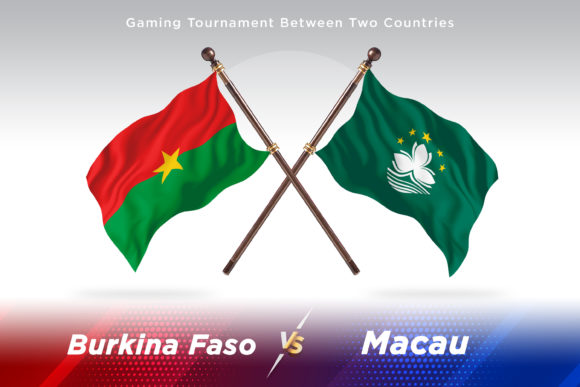
Burkina Faso Versus Macau Two Flags
In the realm of international branding and global visual communication, the juxtaposition of distinct national identities can create powerful narratives. When designers seek to represent cross-border collaboration, competition, or cultural exchange, high-quality assets are paramount. The Burkina Faso Versus Macau Two Flags concept illustration offers a premium solution for creators looking to depict these specific geopolitical entities with precision and aesthetic appeal.
This resource is not merely a static image; it is a carefully crafted digital asset designed to integrate seamlessly into modern design workflows. By isolating each flag on its own layer within a 3D waving position, the illustration provides depth and realism that flat vectors often lack. This level of detail allows for greater creative flexibility, enabling marketers and graphic designers to manipulate the elements independently while maintaining a cohesive visual hierarchy.
The Importance of Accurate National Symbolism in Design
When incorporating national flags into brand identity projects or editorial design, accuracy is non-negotiable. The colors, proportions, and symbols of Burkina Faso and Macau carry significant historical and cultural weight. A misrepresentation can lead to brand damage or unintended offense. This illustration ensures that the official country flags are rendered correctly, respecting the unique color palettes and emblems associated with each region.
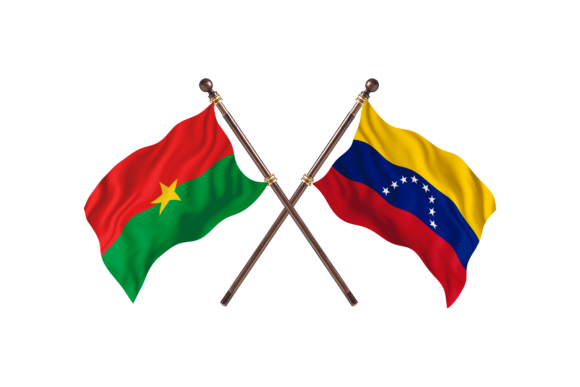
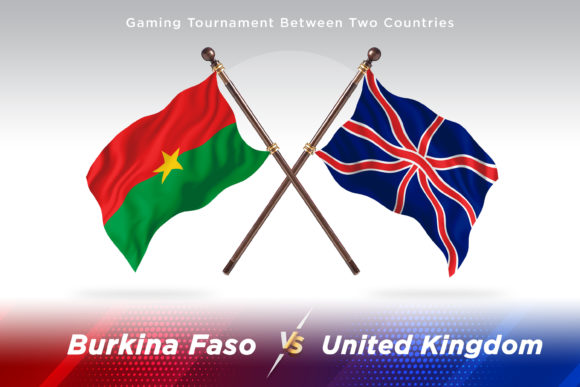
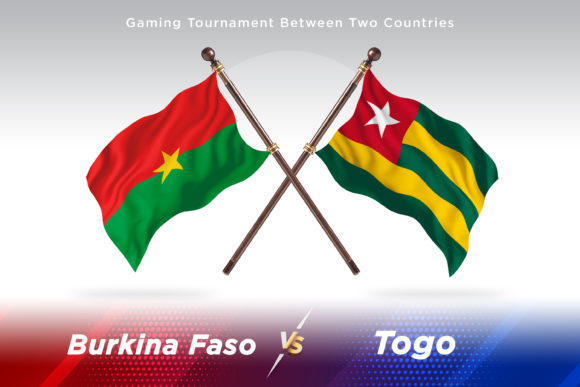
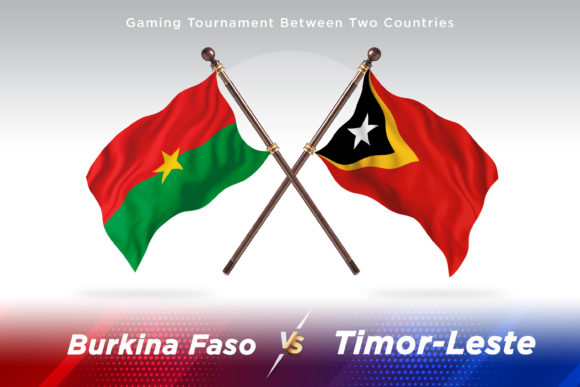
Burkina Faso’s flag features the vibrant red and green horizontal bands with a yellow five-pointed star, symbolizing revolution and hope. In contrast, Macau’s flag displays the iconic lotus flower, bridge, and water against a green background, representing peace and prosperity. Placing these two distinct visual languages side by side creates a compelling contrast that draws the eye and encourages engagement. For digital marketing campaigns targeting diverse audiences, such accurate and respectful representation builds trust and authenticity.
Technical Advantages for Professional Workflows
For designers who value efficiency and precision, the technical specifications of this asset bundle are particularly advantageous. The inclusion of a layered PSD file (4500 x 3000 px) allows for extensive customization. Designers can adjust the waving motion, change the background, or isolate specific elements without compromising image quality. This scalability is crucial for web design and UI/UX design, where assets must look crisp across various screen sizes and resolutions.
- Smart Object Integration: Edit your design via smart objects, allowing you to swap out elements or adjust lighting effects with minimal effort.
- Layer Organization: Well-organized layers ensure a smooth design workflow, reducing time spent on cleanup and preparation.
- Multiple Formats: Access to JPEG and PNG versions ensures compatibility with various platforms, from social media graphics to print materials.
Practical Applications Across Creative Projects
The versatility of this illustration extends beyond simple comparison charts. It serves as a dynamic element in various creative projects. In packaging design, it can highlight international sourcing or dual-market availability. For advertising campaigns, it visually communicates partnerships between entities in West Africa and Southeast Asia.
In social media content, the 3D waving effect adds movement and interest, helping posts stand out in crowded feeds. Similarly, in presentations, it provides a professional and polished backdrop for discussing trade agreements, sports competitions, or cultural exchanges. The ability to isolate the flags means they can be used as standalone icons in logo design or infographics, ensuring consistency in modern aesthetics.
Evaluating Quality in Digital Assets
When selecting creative assets, professionals should prioritize resolution, layer structure, and color accuracy. High-resolution files prevent pixelation when scaling, which is essential for print design and large-format displays. The isolation of elements on separate layers facilitates easier compositing, allowing designers to blend the flags with other visual components like typography or photographic backgrounds. Furthermore, checking the color palette against official standards ensures that the final output remains true to the source material.
Ultimately, the choice of visual elements directly impacts user engagement and brand perception. By utilizing high-fidelity illustrations like the Burkina Faso and Macau flag set, designers can elevate their work from functional to exceptional. These assets support clear communication, enhance visual storytelling, and contribute to a professional presentation that resonates with global audiences. Investing in quality design resources is an investment in the overall effectiveness of your creative strategy.