Burkina Faso Versus Montenegro Two Flags
In the landscape of digital design, particularly for those working with geopolitical data, educational materials, or international branding, visual accuracy is paramount. The asset titled Burkina Faso Versus Montenegro Two Flags represents a specific niche within the broader category of country flag illustrations. It is not merely a static image but a structured, layered file designed for professional integration into larger projects. For designers, marketers, and content creators who require precise, high-fidelity representations of national symbols, understanding the technical and aesthetic value of such resources is essential. This analysis examines the utility, structure, and practical application of this specific dual-flag illustration set.
The Conceptual Framework: Isolation and Presentation
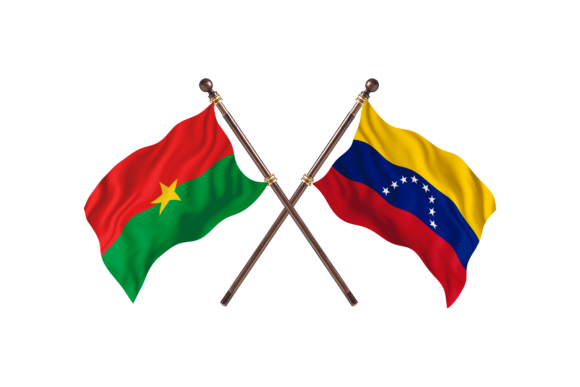
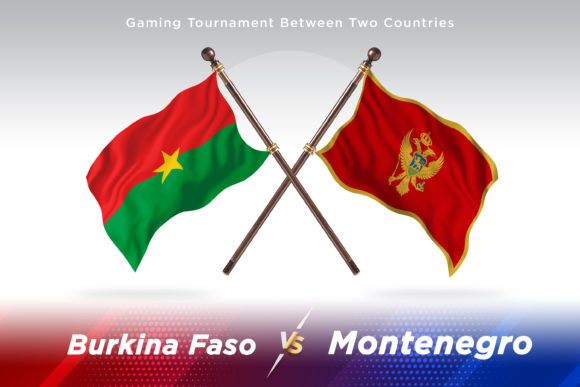
The core concept behind this asset is the juxtaposition of two distinct national identities: Burkina Faso and Montenegro. While "versus" might imply competition in a sports context, in design terms, it signifies a comparative layout. This is highly useful for infographics, travel comparisons, diplomatic summaries, or historical analyses where two nations are being contrasted side-by-side. The illustration employs a 3D waving position, which adds a dynamic element often missing from flat vector graphics. This three-dimensional rendering provides depth and realism, making the flags appear as if they are flying in real-world conditions rather than sitting on a screen.
A critical feature of this bundle is the isolated background. By removing environmental distractions, the designer retains full control over how the flags are integrated into their own compositions. Whether placed against a solid color, a gradient, or a complex photographic background, the flags remain the focal point without unwanted clipping issues or background bleed. This isolation is not just an aesthetic choice; it is a functional one that streamlines the workflow for users who need to composite these elements into diverse layouts.
Technical Specifications and Workflow Integration
For professionals using Adobe Photoshop, the technical architecture of this file is its strongest selling point. The bundle includes a primary PSD file with dimensions of 4500 x 3000 pixels. This resolution is significant because it allows for large-format printing or high-resolution web displays without pixelation. At nearly 13 megapixels, the file supports detailed scrutiny, ensuring that the fabric texture, stitching details, and subtle shadows of the 3D model are visible even at close range.
The inclusion of both JPEG and PNG formats alongside the PSD caters to different stages of the production pipeline. The JPEG offers a lightweight, compressed version suitable for quick previews or web embedding where file size is a constraint. The PNG preserves transparency, allowing for immediate placement over other backgrounds without needing to mask the white space out manually. However, the true power lies in the PSD file itself.
- Smart Objects: Each flag is contained within its own smart object layer. This means you can double-click the layer thumbnail to edit the source content. If you need to swap the Burkina Faso flag for another West African nation’s flag, or adjust the colors slightly to match a brand palette, you can do so non-destructively. The 3D shading and lighting effects update automatically based on the new content.
- Layer Organization: Well-organized layers are often overlooked but are crucial for efficiency. In a chaotic file, finding the correct element can waste valuable time. Here, each flag is labeled with its proper name, reducing cognitive load and minimizing errors during the editing process.
- Scalability: Because the base assets are high-resolution raster images organized via smart objects, scaling them down for mobile views or up for banner ads maintains integrity. You are not limited by the initial canvas size once the file is opened.
Accuracy and Official Representation
When dealing with national symbols, accuracy is non-negotiable. An incorrect shade of red or a misplaced star can undermine the credibility of a publication or a business presentation. The description emphasizes "Official Country Flags," suggesting that the color codes and proportions adhere to established governmental standards. Burkina Faso’s flag, with its horizontal red and green bands separated by a yellow five-pointed star, and Montenegro’s red field with the golden border and coat of arms, must be rendered with precision.
This attention to detail serves professionals who cannot afford ambiguity. Educators teaching about African and Balkan geopolitics, journalists writing comparative articles, or businesses expanding into these markets rely on correct visual cues. The 3D waving effect does not distort the official proportions; instead, it simulates natural movement while preserving the symbolic integrity of the designs. This balance between artistic flair and factual correctness is what makes the asset viable for serious use cases.
Practical Applications and Audience Fit
Who benefits most from Burkina Faso Versus Montenegro Two Flags? The answer lies in the diversity of the target audience. Freelance graphic designers will appreciate the time saved by having pre-made, high-quality 3D assets. Instead of modeling flags from scratch in Blender or Cinema 4D, they can import these smart objects and focus on layout and typography.
Marketers and entrepreneurs may use this asset for social media campaigns highlighting international partnerships, trade agreements, or cultural exchanges between West Africa and Southeast Europe. The "versus" format naturally invites engagement, prompting viewers to compare and contrast. Bloggers and publishers covering global news can use the isolated flags as headers or bullet points to break up text-heavy articles, improving readability and visual interest.
Educators and content creators developing online courses or presentations find value in the versatility of the file. The ability to isolate the flags allows them to create interactive slides where students can identify countries or discuss historical relationships. Furthermore, the availability of alternative flags upon request (as noted in the product features) suggests a scalable ecosystem. If a project evolves to include Mali or Serbia, the same stylistic consistency can be maintained, creating a cohesive visual language across multiple deliverables.
Limitations and Considerations
No resource is without limitations. While the 3D waving effect is visually appealing, it may not suit every design aesthetic. Minimalist brands or corporate identities that prefer flat, two-dimensional iconography might find the realistic fabric simulation too ornate. In such cases, the user would need to flatten the layers or replace the smart objects with flat vector equivalents, which may negate some of the original artistic intent.
Additionally, the reliance on Photoshop means that users without access to this software cannot fully utilize the PSD features. While the JPEG and PNG files are universally accessible, they lack the editability of the layered source. Users must also consider copyright and usage rights. While the flag designs themselves are public domain, the specific 3D rendering and composition may have licensing restrictions. Professional users should always verify the license terms before incorporating these assets into commercial products or client work.
Final Assessment
The Burkina Faso Versus Montenegro Two Flags asset stands out as a robust tool for designers seeking quality, flexibility, and accuracy. Its strength lies not just in the visual appeal of the 3D waving flags, but in the thoughtful organization of the file structure. The use of smart objects, clear labeling, and multiple export formats demonstrates an understanding of the modern designer’s workflow. It reduces friction between concept and execution, allowing creative professionals to focus on storytelling rather than technical hurdles.
For anyone needing to represent these two nations with dignity and precision, this bundle offers a reliable solution. It bridges the gap between generic clip art and custom 3D modeling, providing a middle ground that is both efficient and effective. Whether used for educational purposes, marketing collateral, or journalistic illustration, the asset delivers consistent results. As digital content continues to demand higher production values, tools like this become increasingly valuable, enabling creators to produce polished, professional-grade visuals with minimal effort.