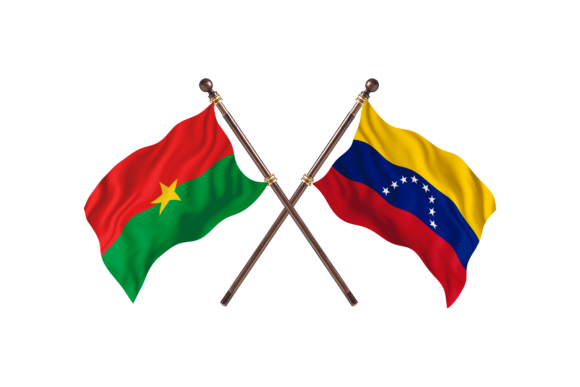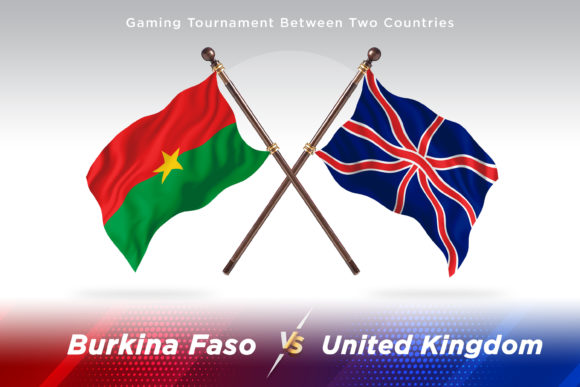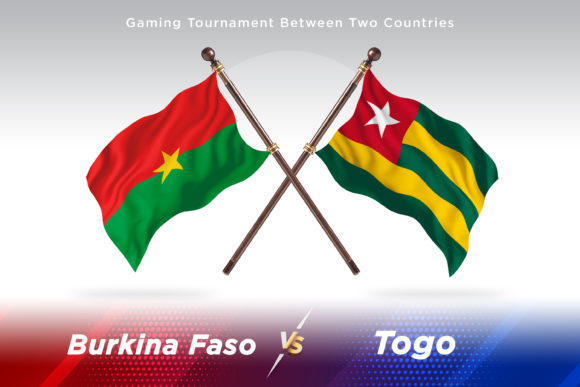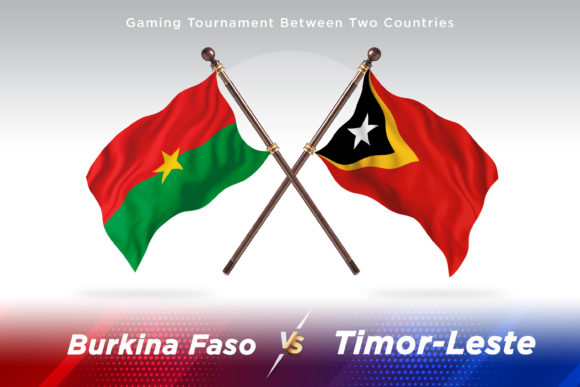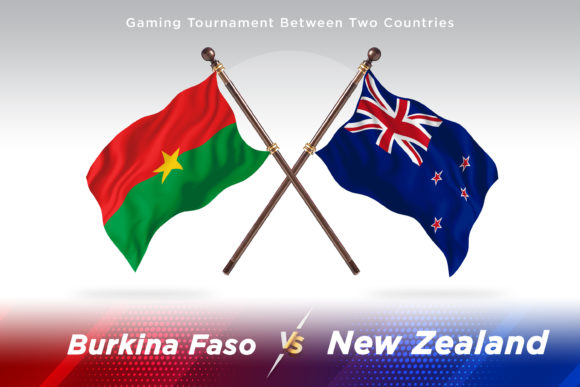
Burkina Faso Versus New Zealand Flags
When you encounter a digital asset labeled Burkina Faso Versus New Zealand Flags, it is easy to assume this is merely a simple side-by-side comparison image. However, for designers, marketers, and content creators, this specific file represents a sophisticated vector-style illustration that requires careful handling. The product description highlights a 3D waving position with an isolated background, featuring official country flags from around the world, including Burkina Faso and New Zealand. While the visual appeal of high-quality, isolated flag illustrations is undeniable, there are significant technical and ethical nuances that many users overlook when downloading or applying these assets to their projects.
The core value of this bundle lies in its organization: one PSD file at 4500 x 3000 pixels, accompanied by JPEG and PNG exports, all utilizing smart objects for easy editing. This setup promises flexibility, allowing professionals to swap out flags or adjust colors without starting from scratch. Yet, the promise of "edit your design via smart objects" often leads to frustration if the user does not understand the underlying structure of the layers. Before diving into the creative process, it is crucial to evaluate whether this specific type of asset aligns with your project’s needs, particularly regarding accuracy, licensing, and visual integrity.
Understanding the Visual Concept and Technical Structure
The phrase "Burkina Faso Versus New Zealand Flags" suggests a comparative theme, but the actual deliverable is more accurately described as a collection of isolated national flags presented in a dynamic, 3D waving style. The "versus" aspect likely refers to the juxtaposition of two distinct cultural symbols against a clean, isolated background, making them ideal for presentations, educational materials, or international business graphics. The inclusion of "Official Country Flags from all of the world" indicates a comprehensive library, which is a strong selling point for educators and global marketers who need consistent visual language across different regions.
However, the technical specification of "isolated on its own layer with the proper name" is where beginners often stumble. In Photoshop, having a layer named correctly does not guarantee that the flag depicted is factually accurate. Designers must verify that the red, white, and blue of the New Zealand flag, for instance, are rendered with the correct proportions of the Southern Cross constellation, just as the red and green of Burkina Faso must be balanced with the yellow star. If the smart object contains a generic placeholder rather than the precise official geometry, using it in a professional context can lead to embarrassing errors. Always inspect the smart object contents before finalizing any publication.
Common Mistakes in Flag Illustration Usage
One of the most frequent errors users make with isolated flag bundles is ignoring the aspect ratio and color fidelity. National flags have strict heraldic definitions. For example, the New Zealand flag has a specific shade of blue and red, while the Burkina Faso flag features a precise horizontal bicolor with a central yellow star. When you download a bundle like this, assuming the "official" label guarantees accuracy, you risk presenting distorted or incorrect representations. This can undermine credibility, especially in academic or diplomatic contexts where precision is paramount.
Another common pitfall is the misuse of the 3D waving effect. While a waving flag looks dynamic and engaging, it can obscure details. In the case of the New Zealand flag, the complex arrangement of stars might become difficult to read if the wave is too aggressive. Similarly, the bold simplicity of the Burkina Faso flag might lose its impact if the lighting effects applied via the smart object wash out the vibrant colors. Users should experiment with the opacity and blending modes of the 3D layers to ensure that the flag remains recognizable and legible at various sizes. Over-processing the image with shadows or glows can also detract from the professional look, making it appear amateurish rather than polished.
Overlooking Licensing and Usage Rights
Perhaps the most critical oversight is failing to check the license terms associated with the bundle. Even if the file includes "official country flags," the artistic rendering—the 3D wave, the shading, the isolation—is intellectual property owned by the creator. Using these images for commercial purposes without verifying the license can lead to legal issues. Some creators allow unlimited use, while others restrict usage to editorial or personal projects only. Additionally, while flags themselves are generally public domain, the specific artistic interpretation is not. Always read the fine print to ensure you are compliant, particularly if you are selling products or services that incorporate these designs.
Practical Advice for Effective Application
To get the most out of the Burkina Faso Versus New Zealand Flags bundle, start by exploring the well-organized layers. Since the file is structured with each flag on its own layer, take advantage of this by isolating specific flags for targeted use. If you are creating a presentation comparing economic data between Burkina Faso and New Zealand, extract just those two flags and place them strategically alongside charts or text. This focused approach prevents visual clutter and directs the viewer’s attention to the relevant information.
Furthermore, leverage the smart objects to customize the design without losing quality. Instead of accepting the default 3D wave, try adjusting the curvature to match the flow of your layout. If you are designing a banner, a subtle wave might work better than a dramatic flourish. You can also change the background color within the smart object to create contrast, ensuring the flags pop against whatever backdrop you choose. This level of control is what makes the PSD format superior to static JPEGs or PNGs, allowing for endless variations from a single purchase.
Ensuring Accuracy and Professionalism
Before finalizing your design, cross-reference the colors and proportions with official government sources. For Burkina Faso, verify that the red and green bands are equal in height and that the yellow star is centered. For New Zealand, confirm the placement and number of stars. This step is essential for maintaining respect for the cultures represented and avoiding unintentional disrespect through inaccurate depictions. It also enhances the professionalism of your work, signaling to your audience that you pay attention to detail.
If you find that the bundle lacks specific flags needed for your project, remember that the creator offers the option to request additional flags. This is a valuable feature for ongoing projects or evolving needs. Rather than searching for multiple disparate sources, which can result in inconsistent styles and quality, ask the creator to expand the bundle. This ensures visual consistency across all your materials, reinforcing brand identity and coherence.
Evaluating Your Needs Before Purchase
Not every project requires a high-resolution, multi-layered PSD file. If you only need a small icon for a website footer, the provided JPEG or PNG might suffice, saving you processing power and time. However, if you are creating large-format prints, detailed infographics, or customizable templates, the PSD version is indispensable. Consider the scale and complexity of your project before deciding which format to utilize. Also, think about the longevity of your design; editable files allow for future updates, whereas raster formats do not.
In conclusion, the Burkina Faso Versus New Zealand Flags bundle offers a robust solution for visual storytelling involving international themes. By understanding the technical structure, respecting the artistic and cultural integrity of the flags, and adhering to licensing guidelines, you can create compelling and accurate designs. Avoid the common traps of assuming accuracy without verification and neglecting the potential of smart objects. With careful application, these isolated, 3D-waving flags can elevate your presentations, marketing materials, and educational content, providing a professional and engaging visual experience for your audience.