Burkina Faso Versus North Korea Flags: A Strategic Asset for Visual Designers and Content Creators
In the realm of digital content creation, visual accuracy and organizational efficiency are not merely aesthetic preferences; they are operational necessities. For designers, educators, marketers, and publishers, the ability to quickly access high-quality, properly formatted national symbols is a critical component of workflow optimization. This is where specialized assets like the Burkina Faso Versus North Korea Flags illustration become indispensable. While the comparison between these two specific nations might seem niche on the surface, the underlying value lies in the technical execution of the asset itself: isolated layers, 3D rendering capabilities, and smart object integration.
This article explores how this specific flag bundle fits into broader creative and professional processes, offering practical insights for integrating such resources into daily workflows without compromising quality or consistency.
The Anatomy of a High-Quality Flag Asset
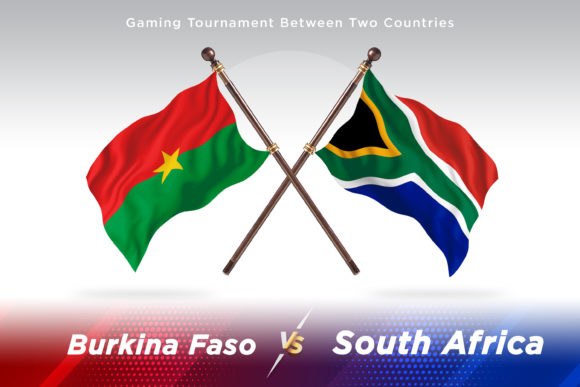
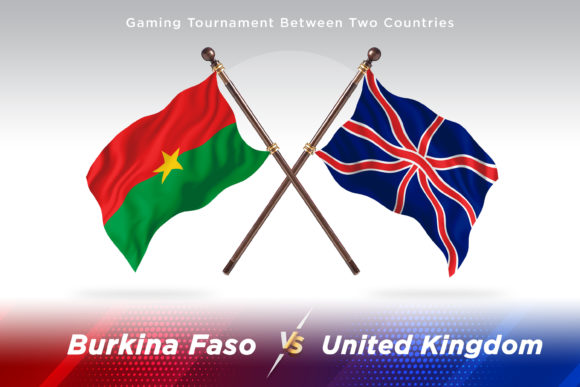
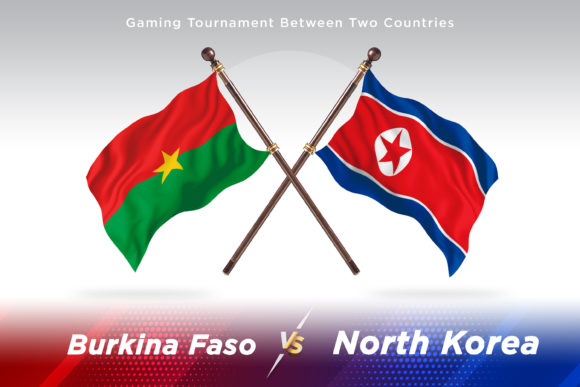
Before diving into implementation strategies, it is essential to understand what constitutes a usable flag asset in a professional environment. Many free or low-cost resources provide flat images that lack the depth required for modern web design, presentation decks, or editorial illustrations. The Burkina Faso Versus North Korea Flags concept illustration addresses this gap by providing a 3D waving position effect, which adds realism and visual interest to static compositions.
The technical specifications of this asset are designed for flexibility:
- Resolution and Dimensions: At 4500 x 3000 pixels, the source file offers ample resolution for both web display and large-format printing. This ensures that whether you are creating a thumbnail for a blog post or a banner for a conference booth, the image remains crisp.
- Layer Organization: Each flag is isolated on its own layer with the proper name. This is a crucial feature for efficiency. When working under tight deadlines, searching through a disorganized PSD file can waste valuable time. Properly named layers allow for instant selection and manipulation.
- Smart Object Integration: The inclusion of smart objects allows designers to replace the default flags with other national flags seamlessly. This transforms a single purchase into a versatile toolkit, reducing the need to hunt for individual assets for every country needed.
For professionals who deal with global audiences, having access to official country flags from all over the world within a consistent style guide is vital. The promise of being able to request additional flags if they are not present in the initial bundle speaks to a commitment to comprehensive coverage, ensuring that your projects remain culturally accurate and visually cohesive.
Integrating Flag Illustrations into Creative Workflows
How does a specific asset like the Burkina Faso versus North Korea flag set interact with your existing tools? The answer lies in the concept of modularity. In a well-structured design process, assets should be interchangeable and reusable. Here is how this bundle fits into various stages of production.
Pre-Production and Planning
During the planning phase of a project—whether it is an educational module on West African history, a geopolitical analysis blog, or a marketing campaign targeting international markets—you need to establish visual themes early. Using this 3D waving flag illustration allows you to create mockups and storyboards that accurately reflect the intended tone. The isolated background provides a clean canvas, meaning you do not have to spend time masking out complex backgrounds. You can drop the PNG or JPEG directly into your composition software and begin arranging elements immediately.
Execution and Design
When executing the design, the layered PSD structure shines. If you are creating a comparative infographic, you can adjust the opacity, scale, and position of the Burkina Faso flag independently from the North Korea flag. Because each element is on its own layer, you can apply different blend modes or shadows to create depth without affecting the other flag. This level of control is often lost when using pre-composited images where all elements are flattened together.
Furthermore, the ability to edit via smart objects means that if a client requests a change—for instance, swapping North Korea for another Asian nation during the final review—you can update the asset in seconds. This reduces revision cycles and enhances client satisfaction by demonstrating responsiveness and technical proficiency.
Post-Production and Distribution
Once the design is complete, exporting the final files is streamlined. The bundle includes one JPEG and one PNG, catering to different distribution needs. The JPEG is ideal for web use where file size optimization is key, while the PNG preserves transparency for overlaying on varied backgrounds. This dual-format approach eliminates the need for manual export settings, saving time in the delivery pipeline.
Best Practices for Consistency and Quality Control
Using high-quality assets is only half the battle; maintaining consistency across multiple projects is the other. For freelancers and small business owners who manage multiple clients, having a library of standardized 3D flag illustrations ensures that your brand identity remains uniform. Whether you are designing for a news outlet or an e-commerce site, the waving style and lighting direction of the flags will match, preventing visual jarring for the viewer.
To maximize the utility of this bundle, consider the following tips:
- Create a Master Template: Save a version of the PSD file with the flags positioned exactly as you frequently use them. Use this as a starting point for new projects rather than building from scratch each time.
- Standardize Color Profiles: Ensure that your working space matches the color profile of the flag asset (usually sRGB for web) to prevent color shifts upon export. Accurate representation of national colors is a matter of respect and professionalism.
- Document Your Assets: Keep a record of which countries are available in your primary bundle and which require separate acquisition. This helps in estimating project timelines and costs more accurately.
Expanding Beyond Two Nations
While the immediate focus is on Burkina Faso and North Korea, the true value of this resource extends to its scalability. The mention of "Official Country Flags from all of the world" suggests that this asset is part of a larger ecosystem. For educators teaching geography or political science, the ability to generate accurate representations of any nation is powerful. For marketers launching products in specific regions, using localized imagery increases engagement and trust.
If you find yourself needing flags that are not included in the standard bundle, the option to ask the creator indicates a collaborative approach to resource management. This is particularly useful for niche markets or emerging economies where standard stock libraries may lag in updates. By treating this asset as a living library rather than a static image, you future-proof your design toolkit.
Conclusion
The Burkina Faso Versus North Korea Flags illustration is more than just a pair of national symbols; it is a tool for efficient, high-quality visual communication. Its 3D rendering, organized layer structure, and smart object capabilities make it suitable for a wide range of professional applications, from educational materials to corporate presentations. By integrating such well-crafted assets into your workflow, you reduce friction in the design process, ensure visual consistency, and deliver polished results that resonate with global audiences. For anyone serious about their craft, investing in organized, editable, and realistic design elements is a step toward greater productivity and professional excellence.