Burkina Faso Vs Marshall Islands Flags: A Detailed Comparison and Design Resource
When exploring the rich tapestry of global culture, few symbols are as potent or visually distinct as national flags. For designers, educators, and content creators, understanding the nuances between different nations is not just an academic exercise; it is a practical necessity for accurate representation. In this detailed guide, we examine the striking contrast between Burkina Faso vs Marshall Islands flags, offering insights into their historical significance, visual composition, and the specific design assets available to bring these symbols to life in digital and print media.
The journey begins with two very different corners of the globe. On one side lies Burkina Faso, a landlocked nation in West Africa known for its vibrant culture and resilience. On the other stands the Republic of the Marshall Islands, a Pacific island nation composed of atolls and islands scattered across the vast expanse of the Pacific Ocean. While geographically distant, both nations use their flags to tell stories of sovereignty, nature, and identity. Understanding these narratives is crucial when selecting imagery for international projects, educational materials, or diplomatic communications.
Visualizing National Identity: The Core Differences
To truly appreciate the Burkina Faso vs Marshall Islands flags concept, one must first look at the visual language each country employs. Flags are more than just colored cloth; they are concise visual documents that communicate complex histories.
The Flag of Burkina Faso
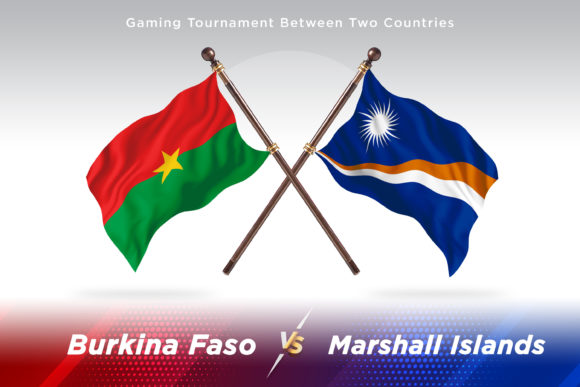
The flag of Burkina Faso is a study in bold, revolutionary symbolism. It features three horizontal bands of red and green, divided by a yellow diagonal stripe that runs from the lower hoist-side corner to the upper fly-side corner. At the center of the yellow stripe sits a black five-pointed star.
- Red: Represents the revolution and the blood shed by those who fought for independence.
- Green: Symbolizes the richness of the land and hope for the future.
- Yellow: Stands for the mineral wealth of the country.
- Black Star: Serves as a beacon of light and truth for the people.
This design is geometrically simple yet powerful, relying on strong primary colors and a dynamic diagonal line to create a sense of movement and progress.
The Flag of the Marshall Islands
In stark contrast, the flag of the Marshall Islands offers a softer, more organic aesthetic. The background is divided diagonally into blue and orange sections. The blue represents the Pacific Ocean, while the orange symbolizes the warmth of the sun and the courage of the people. A large white star with 24 smaller rays radiating from it sits in the upper left quadrant.
- Blue Field: Represents the Pacific Ocean surrounding the nation.
- Orange Field: Reflects the equatorial region and the enduring spirit of the Marshallese.
- White Star: Represents the capital, Majuro, and the 24 municipal councils of the country.
The interplay of cool blues and warm oranges creates a harmonious balance, reflecting the tropical environment and the maritime lifestyle central to Marshallese life.
Design Assets for Creators: High-Quality Vector Illustrations
For professionals seeking to incorporate these flags into their work, accuracy and quality are paramount. Generic clip art often fails to capture the correct proportions, colors, and symbolic details required for professional presentations. This is where specialized design resources come into play.
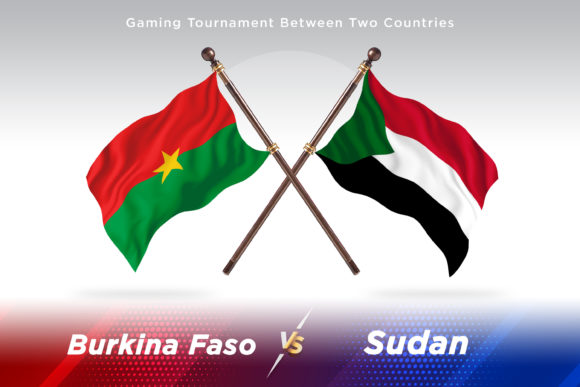
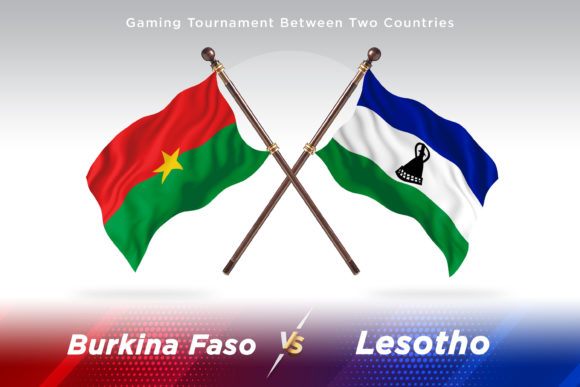
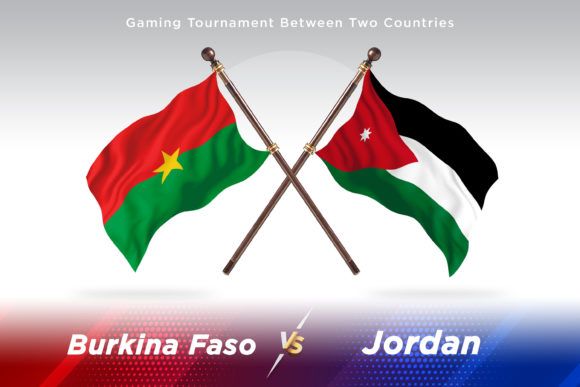
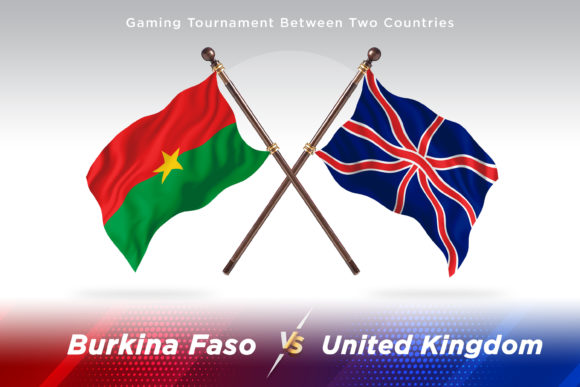
A premium illustration bundle focusing on Burkina Faso vs Marshall Islands flags typically offers a comprehensive solution for designers. These assets are not merely static images but are constructed with precision to ensure they meet international standards for flag representation. The inclusion of official country flags from all over the world allows for versatile project planning, ensuring that if a client needs a flag not immediately present in the initial set, there is usually a pathway to acquire it.
Technical Specifications and Workflow
High-quality flag illustrations are designed with flexibility in mind. When evaluating a design asset, consider the following technical features that enhance usability:
- Layered PSD Files: A 1 PSD file sized at 4500 x 3000 pixels provides ample resolution for large-format printing or high-resolution web display. Each flag is isolated on its own layer, allowing designers to manipulate individual elements without affecting the entire composition.
- Smart Objects: The use of smart objects is a game-changer for efficiency. Instead of manually redrawing or recoloring flags, users can simply double-click the smart object to replace the content. This feature is particularly useful when creating mockups or adapting designs for different color schemes.
- Organized Layers: Well-organized layers mean that the file structure is intuitive. Whether you are a seasoned graphic designer or a novice using template-based tools, finding specific elements like stars, stripes, or background gradients should be straightforward.
- Multiple Formats: Beyond the editable PSD, the inclusion of 1 JPEG and 1 PNG ensures compatibility across various platforms. JPEGs are ideal for web optimization, while PNGs offer transparency support, allowing the flags to be placed over any background seamlessly.
Application Scenarios: Where Do These Flags Fit?
Understanding the utility of these design assets helps clarify why precise flag illustrations matter. Here are several real-world scenarios where accurate representations of Burkina Faso vs Marshall Islands flags are essential.
Educational Materials
In textbooks, online courses, and classroom presentations, accuracy builds trust. Misrepresenting a flag—such as swapping the shade of red in Burkina Faso’s flag or misaligning the star in the Marshall Islands’ flag—can undermine the credibility of educational content. High-quality, isolated flags allow educators to create clean, focused visuals that highlight specific geographical or cultural points without clutter.
Diplomatic and Business Communications
For businesses operating in West Africa or the Pacific, proper branding includes respect for local symbols. Whether designing a website for a development agency, creating marketing materials for tourism, or preparing reports for international partnerships, using official, correctly proportioned flags demonstrates attention to detail and cultural sensitivity.
Sports and Events
International sporting events, cultural festivals, and humanitarian aid campaigns often require immediate recognition of participating nations. A 3D waving position illustration adds dynamism to static designs, making posters, banners, and social media graphics more engaging. The "waving" effect captures the spirit of motion and energy, which is particularly effective in promotional materials.
Evaluating Suitability for Your Project
Before integrating these assets into your workflow, it is important to assess whether they meet your specific needs. Consider the following factors:
- Resolution Needs: If you are printing large banners, ensure the 4500 x 3000 px resolution is sufficient. For most web applications, the included JPEG and PNG files will be more than adequate.
- Customization Requirements: If you need to change the colors of the flags (for creative or thematic reasons), verify that the smart objects allow for easy editing. However, note that altering official flag colors may violate heraldic standards or legal guidelines in certain contexts.
- Background Versatility: The "Versus Background" concept mentioned in many design bundles refers to the ability to place flags against contrasting backdrops. Ensure the PNG files have transparent backgrounds so they can be layered effectively over any design element.
- Completeness of Set: While the bundle focuses on Burkina Faso and the Marshall Islands, check if additional flags are available. For global projects, having access to a broader library of official country flags can save significant time.
Conclusion: The Value of Precision in Design
The comparison between Burkina Faso vs Marshall Islands flags highlights the diversity of human expression through national symbols. From the bold geometry of West Africa to the serene hues of the Pacific, each flag carries a unique story. For creators, leveraging high-quality, well-organized design assets ensures that these stories are told accurately and respectfully.
By utilizing resources that offer layered PSDs, smart objects, and multiple format options, professionals can streamline their workflow while maintaining high standards of visual integrity. Whether you are designing for education, business, or entertainment, investing in precise flag illustrations is an investment in clarity and professionalism. As you explore your next project, remember that the details—down to the placement of a single star or the shade of a diagonal stripe—can make all the difference in how your message is received.
For those requiring flags beyond the initial scope, many providers offer customization services. Do not hesitate to reach out if you need specific national emblems integrated into your design. In a connected world, the ability to represent diverse cultures with accuracy and beauty is an invaluable skill for any modern creator.