Brunei Versus Uganda Two Flags: A Practical Evaluation of Isolated 3D Flag Assets
In the realm of digital design, visual accuracy and professional presentation are not merely aesthetic preferences; they are fundamental requirements for credibility. Whether you are producing educational materials, designing corporate branding for international markets, or creating content for global audiences, the quality of your graphical assets directly influences how your work is perceived. One specific asset that frequently appears in searches for high-quality national symbols is the Brunei Versus Uganda Two Flags concept illustration. This resource offers a distinct approach to representing national identity through isolated, three-dimensional flag designs.
This evaluation explores the technical specifications, practical applications, and overall utility of this specific design bundle. By analyzing its features—such as layer organization, file formats, and resolution—we can determine its suitability for professionals, educators, marketers, and creators who require precise, editable, and visually striking representations of these two nations.
Understanding the Core Concept
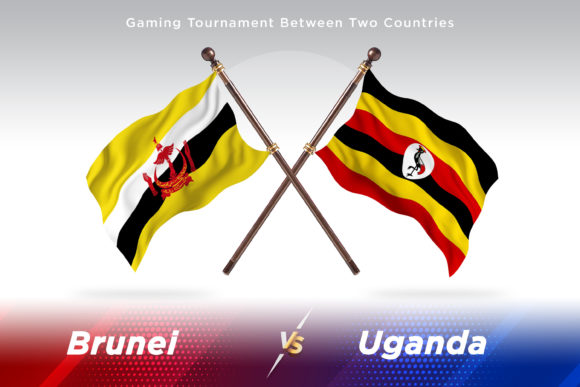
The term "Brunei Versus Uganda Two Flags" refers to a digital illustration package featuring the official flags of Brunei Darussalam and Uganda. The design philosophy behind this asset moves beyond simple flat vector graphics. Instead, it employs a 3D waving position, giving the fabric a sense of motion, depth, and realism. This is particularly important in modern web and print design, where static images can sometimes feel dated or disconnected from the dynamic nature of digital media.
The "versus" aspect of the title suggests a comparative layout, which is highly useful for contexts involving sports, diplomatic relations, trade comparisons, or cultural exchanges. However, the true value lies in the execution. Each flag is isolated on its own layer, allowing designers to manipulate them independently. This isolation ensures that the flags can be placed against any background without unwanted artifacts or clipping issues, maintaining the integrity of the original design.
Technical Specifications and Workflow Integration
For professionals working in Adobe Photoshop or similar raster-based environments, the technical structure of this asset is critical. The bundle provides several key components that facilitate a smooth workflow:
- Resolution and Dimensions: The primary PSD file is sized at 4500 x 3000 pixels. This high resolution is significant. It allows for large-format printing, such as banners, posters, or exhibition displays, without pixelation. For screen-based projects, it provides ample room for cropping and scaling while retaining sharpness.
- File Formats: In addition to the source PSD, the package includes JPEG and PNG versions. The JPEG offers a compressed, universally compatible format for quick previews or web use where transparency is not required. The PNG version preserves transparency, making it ideal for overlaying the flags onto existing designs without needing to mask them manually.
- Smart Objects: The inclusion of smart objects is a major strength. Smart objects allow for non-destructive editing. If a designer needs to change the color scheme, add texture, or resize the flags, the quality remains intact. This feature supports iterative design processes, saving time and reducing the risk of degrading image quality through repeated transformations.
- Layer Organization: Well-organized layers are often overlooked but are essential for efficiency. Cleanly labeled layers enable designers to quickly locate specific elements, such as the flagpole, the fabric folds, or the national emblems. This organization reduces cognitive load and speeds up the customization process.
Visual Quality and Realism
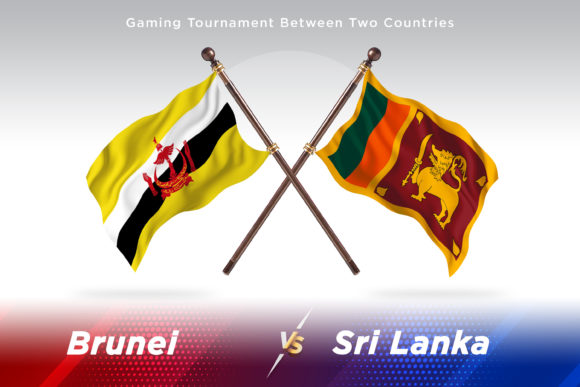
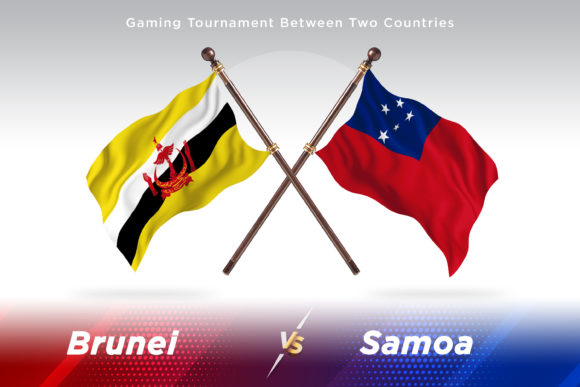
The aesthetic appeal of the Brunei Versus Uganda Two Flags illustration stems from its attention to detail. The 3D waving effect is not generic; it respects the unique colors and symbols of each nation. Brunei’s flag, with its distinctive yellow, black, and white stripes and red crest, is rendered with clarity. Similarly, Uganda’s flag, featuring six horizontal bands of black, yellow, and red with a central grey crane, is depicted accurately.
The lighting and shadowing in the 3D model contribute to a realistic appearance. The way light interacts with the folded fabric creates depth, making the flags appear tangible rather than flat. This level of realism enhances the professional tone of any project. For instance, in a news article discussing bilateral relations between Brunei and Uganda, using a flat icon might seem trivial, whereas a realistic 3D flag adds gravitas and visual interest.
Practical Applications and Use Cases
The versatility of this asset makes it suitable for a wide range of industries and projects. Below are some specific scenarios where this bundle would provide significant value:
- Educational Materials: Teachers and textbook publishers can use these high-quality images to illustrate geography, politics, or cultural studies units. The ability to isolate the flags allows educators to create custom diagrams or maps without copyright or quality concerns associated with low-resolution stock photos.
- Corporate Branding and Marketing: Companies operating in Southeast Asia and East Africa may need to represent their presence in both regions. Using official, high-fidelity flags in marketing collateral reinforces authenticity and respect for local cultures. The smart object feature allows for easy integration into brand guidelines.
- Sports and Events: For tournaments, friendly matches, or international competitions involving teams from Brunei and Uganda, this graphic provides an immediate and professional visual identifier. The "versus" layout is naturally suited for promotional posters or social media graphics.
- Digital Content Creation: Bloggers and vloggers can use the PNG versions as overlays or thumbnails. The transparent background ensures that the flags blend seamlessly with various video backgrounds or blog headers, enhancing visual consistency across platforms.
Flexibility and Customization Potential
One of the standout features of this asset is its adaptability. While the default presentation is a side-by-side comparison, the isolated layers allow for creative reinterpretation. Designers can rearrange the flags, change their sizes, or integrate them into complex compositions. The option to request other flags if they are not present in the bundle further extends the utility of the creator’s services, suggesting a scalable solution for larger projects.
This flexibility is crucial for freelancers and agencies who often face tight deadlines and unique client demands. The ability to quickly modify a base asset rather than starting from scratch can significantly improve productivity. Furthermore, the high resolution ensures that even after extensive manipulation, the final output meets professional standards.
Potential Limitations and Considerations
While the Brunei Versus Uganda Two Flags bundle is robust, there are minor considerations for potential users. First, the reliance on Photoshop means that users must have access to compatible software. While the PNG and JPEG files are accessible to anyone, the full editing capabilities are locked behind the PSD format. Second, the 3D effect, while realistic, is pre-baked into the design. Users cannot easily alter the angle of the wind or the fold patterns without advanced 3D modeling skills. However, for most 2D design workflows, this limitation is negligible.
Additionally, while the flags are officially accurate, designers should always verify specific usage rights if the flags are being used for commercial purposes in jurisdictions with strict heraldic laws. Although national flags are generally public domain, certain stylized representations may have trademark implications depending on the context.
Conclusion: Who Should Use This Asset?
The Brunei Versus Uganda Two Flags concept illustration is a well-crafted resource that balances aesthetic appeal with technical functionality. It is particularly beneficial for professionals who prioritize precision, ease of use, and high-quality output. Educators will appreciate the clarity and educational value, while marketers and designers will value the flexibility provided by smart objects and organized layers.
For those seeking to enhance their visual communication with authentic, realistic, and editable national symbols, this bundle offers strong long-term value. Its high resolution and versatile formats ensure that it can serve multiple purposes within a single project lifecycle. Ultimately, it is a practical tool that supports effective design practices, helping users convey information clearly and professionally.