Burkina Faso Versus Peru Two Flags: Integrating Isolated Flag Assets into Professional Design Workflows
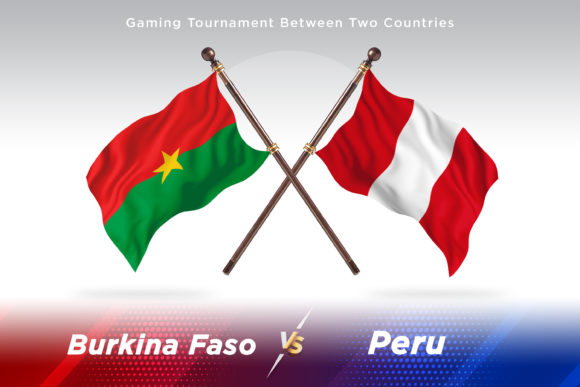
In the realm of digital content creation, data visualization, and international marketing, visual accuracy and aesthetic precision are paramount. One specific asset that frequently appears in high-stakes design projects is the Burkina Faso Versus Peru Two Flags illustration. This concept involves a side-by-side comparison or juxtaposition of the national flags of Burkina Faso and Peru, rendered with professional-grade quality. For designers, educators, and marketers, this is not merely a decorative element but a functional tool that requires careful integration into broader workflows.
The specific variation discussed here—a 3D waving position flag illustration isolated on its own layer—offers distinct advantages for users who demand flexibility and realism. Whether you are preparing a presentation on geopolitical economics, creating educational materials about South American and West African cultures, or designing sports graphics for an upcoming match, understanding how to utilize these assets effectively can streamline your process significantly.
Understanding the Asset: Technical Specifications and Visual Quality
Before diving into implementation, it is crucial to understand what makes this particular bundle valuable. The core offering includes a high-resolution PSD file measuring 4500 x 3000 pixels, alongside standard JPEG and PNG exports. This resolution ensures that the flags remain crisp even when scaled up for large-format prints or displayed on high-density screens.
The "3D waving position" feature adds a layer of dynamism often missing from flat vector graphics. It simulates wind interaction, giving the fabric a natural drape and movement. This is particularly important for contexts where realism enhances credibility, such as news broadcasts, documentary overlays, or premium brand campaigns. However, the true power of this asset lies in its organization.
- Layered Structure: Each flag is isolated on its own layer within the PSD file. This means you can manipulate the angle, lighting, or shadow of the Burkina Faso flag independently from the Peruvian flag without affecting the other.
- Smart Objects: The inclusion of smart objects allows for non-destructive editing. You can replace the textures or adjust the dimensions while maintaining the 3D shading effects automatically applied by the software.
- Organized Layers: A well-organized layer panel reduces cognitive load during the editing phase. Instead of hunting through a tangled web of groups, you can quickly locate the specific country flag you need to modify.
Integration into Creative and Business Workflows
For professionals aged 20–50, time efficiency is a key metric of success. The Burkina Faso Versus Peru Two Flags asset fits seamlessly into various stages of a project lifecycle, from initial concepting to final delivery.
Pre-Production Planning and Concept Development
In the planning phase, designers often sketch out layouts that require specific cultural or national symbols. Having access to a pre-rendered 3D flag pair eliminates the need to model geometry from scratch. You can drag the PSD into your main composition canvas and immediately assess how the red, yellow, and green of Burkina Faso contrasts with the red and white stripes of Peru. This immediate visual feedback helps in making quicker decisions regarding color palettes and layout balance.
Furthermore, because the background is isolated, you can test these flags against different backdrop colors or textures early in the process. This is useful for ensuring accessibility compliance, checking contrast ratios for readability, or simply finding a background that complements the vibrancy of the flags.
Execution and Customization
During the execution phase, the flexibility of the smart object layers becomes critical. Consider a scenario where a marketing agency is creating a campaign for a global logistics company connecting Ouagadougou (Burkina Faso) and Lima (Peru). The client may request a subtle change in the lighting to match their brand’s warm tone.
With this asset, you do not need to re-render the entire image. By accessing the smart object linked to the Burkina Faso flag, you can apply adjustment layers specifically to that flag. Similarly, if the Peruvian flag needs to be rotated slightly to fit a diagonal layout, the isolated layer allows for independent transformation. This modularity saves hours of work compared to using static images where every edit requires starting over.
Post-Production and Final Delivery
Once the design is finalized, the availability of multiple export formats (PSD, JPEG, PNG) ensures compatibility across different platforms. The PNG version, with its transparency, is ideal for web use where the flag needs to sit atop complex UI elements. The JPEG offers smaller file sizes for email newsletters or quick previews, while the PSD serves as the master source file for future revisions.
Practical Use Cases Across Industries
The utility of the Burkina Faso Versus Peru Two Flags concept extends beyond simple graphic design. Let’s explore how different professionals can leverage this asset.
Educators and Content Creators
Teachers and bloggers creating content about international relations, trade routes, or cultural studies benefit greatly from high-quality visuals. A static map might convey location, but a dynamic, 3D flag representation conveys identity and presence. When writing an article comparing the economic policies of West Africa and South America, embedding this illustration breaks up text and provides a visual anchor for the reader. The ability to isolate each flag allows educators to highlight specific details, such as the stars on the Burkina Faso flag or the coat of arms on the Peruvian flag, in subsequent slides or infographics.
Sports Journalism and Event Management
In the sports sector, particularly in football (soccer), national pride is a central theme. If Burkina Faso and Peru were to meet in an exhibition match or a friendly tournament, media outlets would need broadcast-ready graphics. This 3D asset provides a polished look that rivals custom-designed motion graphics packages. Broadcasters can use the isolated layers to overlay lower-thirds, scores, or player statistics directly onto the flag imagery without cluttering the screen.
Corporate Branding and Global Expansion
Small business owners and entrepreneurs expanding into new markets often struggle with localizing their branding. Using official, correctly proportioned flags signals respect and attention to detail. For instance, a consultancy firm opening an office in Peru after operating in Burkina Faso might use this dual-flag imagery in internal communications or press releases to signify their dual-market presence. The professional quality of the 3D render elevates the perceived value of the business, suggesting competence and reliability.
Factors Influencing Implementation Success
To get the most out of this asset, several factors must be considered during implementation.
Consistency and Accuracy
One of the primary reasons to use official flag illustrations is accuracy. Incorrect colors or proportions can lead to diplomatic faux pas or loss of credibility. This bundle specifies "Official Country Flags," ensuring that the shades of red, yellow, and green are correct according to international standards. Always verify the output against official government specifications if the project has strict compliance requirements.
Compatibility with Existing Tools
Ensure that your design software supports the features used in the PSD, such as Smart Objects. While Adobe Photoshop is the industry standard, other tools like Affinity Photo or GIMP offer varying levels of support. If you are working in a cloud-based collaborative environment, consider exporting to PNG or SVG if real-time collaboration on layered PSDs is not supported by your platform.
Efficiency Through Organization
The value of "well-organized layers" cannot be overstated in team environments. When handing off files to junior designers or freelancers, clear naming conventions and grouped layers prevent errors. If you find that the default organization does not suit your workflow, take advantage of the isolated layers to rename and regroup them before saving. This upfront investment in organization pays dividends during the revision stage.
Scalability and Future-Proofing
Digital trends evolve rapidly. What works today may need adaptation tomorrow. By keeping the original PSD, you future-proof your design. If a new trend emerges requiring animated flags, having the base 3D models allows for easier conversion to video formats or interactive web elements. Additionally, if you need flags of other countries not present in the bundle, many providers offer customization services. Knowing that you can request additional flags allows you to build a comprehensive library of assets for long-term use.
Conclusion: Maximizing Value Through Strategic Use
The Burkina Faso Versus Peru Two Flags asset is more than just a pair of images; it is a versatile component of a modern design toolkit. Its technical specifications—high resolution, 3D rendering, and smart object flexibility—make it suitable for a wide range of applications, from educational blogs to corporate presentations.
By integrating this asset thoughtfully into your workflow, you enhance the visual quality of your projects while saving time through efficient editing processes. Whether you are highlighting cultural connections, reporting on sporting events, or expanding your business globally, using accurate, high-quality flag illustrations reinforces professionalism and attention to detail. As you incorporate these resources into your routine, remember to prioritize organization, accuracy, and adaptability to ensure your designs remain effective and relevant.