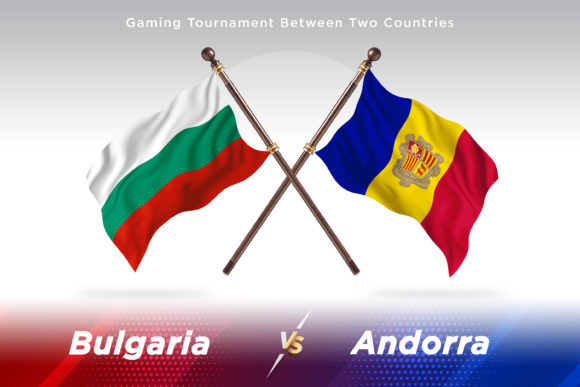
Bulgaria Versus Andorra Two Flags
In the landscape of digital content creation, visual clarity and cultural accuracy are paramount. Whether you are designing a marketing campaign for international travel, creating educational materials about European geography, or developing branding assets for a global event, the way you represent nations can significantly impact audience perception. This is where high-quality, technically precise vector assets become indispensable. The Bulgaria Versus Andorra Two Flags concept illustration offers more than just a simple graphic; it provides a professional-grade resource designed to streamline your workflow while ensuring aesthetic excellence.
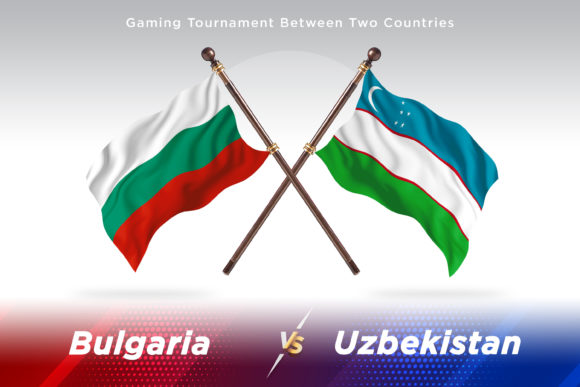
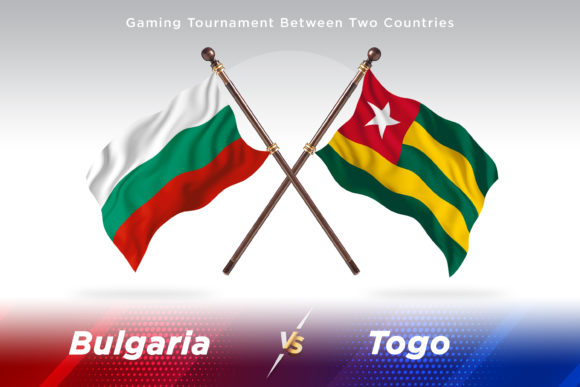
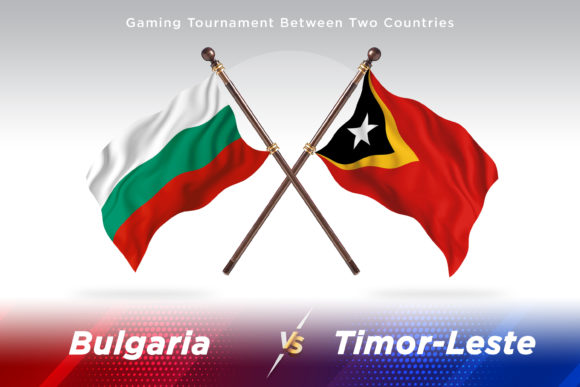
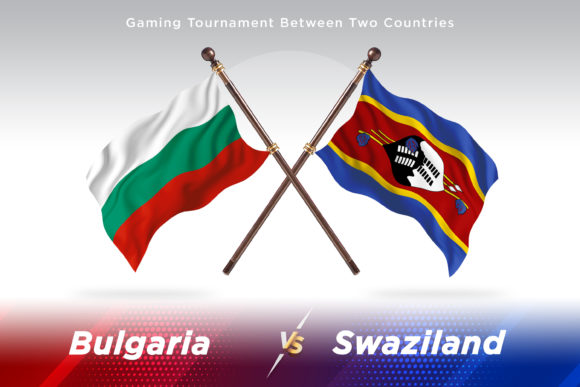
This specific asset bundle focuses on a "Two Countries Flags versus Background Versus" concept. It isolates the official national flags of Bulgaria and Andorra in a dynamic 3D waving position against a clean background. For designers, educators, and marketers, this distinction is critical. It allows for direct comparison without visual clutter, making complex information accessible at a glance. The following analysis explores why this specific type of isolated, layered illustration is a valuable tool for various professional endeavors.
The Power of Isolated Design in Visual Communication
When discussing the Bulgaria Versus Andorra Two Flags, it is essential to understand the technical advantage of isolation. In design theory, an isolated element removes environmental distractions, forcing the viewer’s eye to focus solely on the subject. For flag representations, this means the intricate details of the Bulgarian tricolor (white, green, and red) and the Andorran vertical triband (blue, yellow, and red with the coat of arms) are presented with maximum fidelity.
This approach is particularly useful in comparative contexts. Imagine a blog post analyzing economic differences between Eastern and Western Europe, or a presentation comparing tourism statistics. Using a standard image of two flags side-by-side might introduce shadows, inconsistent lighting, or distracting backgrounds that dilute the message. By using an isolated background illustration in a 3D waving position, you maintain a sense of movement and realism without sacrificing the clean, professional look required for high-stakes presentations. The waving effect adds a touch of dynamism, suggesting vitality and motion, which can subconsciously engage the viewer more effectively than a static, flat image.
Technical Precision and Workflow Efficiency
One of the most significant benefits of this asset is its file structure. The bundle includes a PSD file sized at 4500 x 3000 pixels, providing ample resolution for both web and print applications. However, the true value lies in the organization. Each flag is isolated on its own layer with the proper name clearly labeled. For professionals who work under tight deadlines, this level of organization is not just convenient; it is a time-saver.
- Smart Object Integration: You can edit your design via smart objects. This feature allows you to swap out colors, textures, or even replace the flags entirely if needed, without degrading image quality. If you need to adapt the design for a different project, such as swapping Andorra for another country, the smart object workflow ensures a seamless transition.
- Layer Management: Well-organized layers mean you do not have to spend hours untangling a messy Photoshop file. You can quickly toggle visibility, adjust opacity, or apply effects to individual flags. This precision is crucial when integrating these graphics into larger compositions, such as infographics or website headers.
- Format Versatility: With one JPEG and one PNG included alongside the PSD, you have immediate access to ready-to-use formats. The PNG preserves transparency, allowing you to drop the flags directly onto any colored background without white boxes surrounding them. The JPEG offers a compressed version for faster web loading, while the PSD serves as the master source file for future modifications.
Practical Applications Across Industries
The utility of the Bulgaria Versus Andorra Two Flags extends across multiple sectors. Understanding who benefits most from this resource helps clarify its practical application.
Educators and Content Creators
For educators teaching geography, history, or political science, accurate visual aids are non-negotiable. A teacher preparing a lesson on European Union dynamics might use this illustration to compare the distinct identities of member states. The clear separation of the flags supports cognitive processing, helping students distinguish between similar-looking national symbols. Similarly, bloggers writing about travel destinations can use these high-resolution images to enhance the visual appeal of their articles, keeping readers engaged longer.
Marketers and Brand Strategists
In marketing, visual consistency builds trust. A small business owner launching a product line that caters to both Balkan and Pyrenees markets might use this illustration in social media campaigns. The 3D waving position conveys energy and professionalism, aligning with brand values of innovation and reach. Because the flags are isolated, they can be easily combined with other brand elements, such as logos or call-to-action buttons, without visual conflict.
Event Planners and Publishers
Publishers working on atlases or travel guides require vector-quality assets that scale without pixelation. The 4500 x 3000 px resolution ensures that even large-format prints remain sharp. Event planners organizing cultural festivals or diplomatic summits can use these graphics in digital invitations or stage backdrops. The ability to customize via smart objects allows for last-minute adjustments, such as adding event dates or sponsor logos directly onto the canvas.
Considerations and Customization Potential
While the Bulgaria Versus Andorra Two Flags bundle is robust, it is important to consider its scope. It is specifically designed for a comparative or dual-focus narrative. If your project requires a full set of world flags, this asset serves as a specialized component rather than a comprehensive library. However, the modular nature of the design means it can stand alone effectively in contexts where only two nations are relevant.
Furthermore, the offer to provide other flags not present in the bundle highlights the flexibility of this service. If you find that the Bulgaria vs. Andorra comparison does not fit your current project but you still need a high-quality, isolated flag illustration for a different pair of countries, you have the option to request custom variations. This customer-centric approach ensures that the core benefit—high-quality, editable, isolated flag graphics—remains accessible regardless of the specific nations involved.
Conclusion
In a digital world saturated with low-resolution clip art, investing in well-crafted, professionally organized design assets pays dividends. The Bulgaria Versus Andorra Two Flags illustration exemplifies this principle. By combining aesthetic appeal with technical precision, it empowers creators to communicate complex ideas simply and effectively. Whether you are saving time in your design workflow, enhancing the credibility of your educational content, or elevating your brand’s visual identity, this resource offers tangible value. Its layered structure, smart object capabilities, and versatile formats make it a practical tool for anyone serious about visual communication.