Bulgaria Versus Timor-Leste Two Flags: A Detailed Analysis of National Symbols and Digital Design Applications
In the realm of international relations, cultural diplomacy, and graphic design, national symbols serve as powerful identifiers of sovereignty, history, and identity. The visual representation of these nations, particularly through their official flags, provides a rich tapestry of meaning that transcends language barriers. When examining specific pairings such as Bulgaria versus Timor-Leste two flags, we uncover not only distinct historical narratives but also practical applications for designers, educators, and content creators who utilize high-quality vector or raster assets to communicate complex geopolitical concepts.
This article explores the intricate details of the Bulgarian and Timorese flags, the significance of their design elements, and the technical advantages of using isolated, layered digital illustrations for professional projects. By understanding both the symbolic weight of these national emblems and the utility of modern design tools, professionals can create more engaging and accurate visual communications.
The Symbolism of the Bulgarian Flag
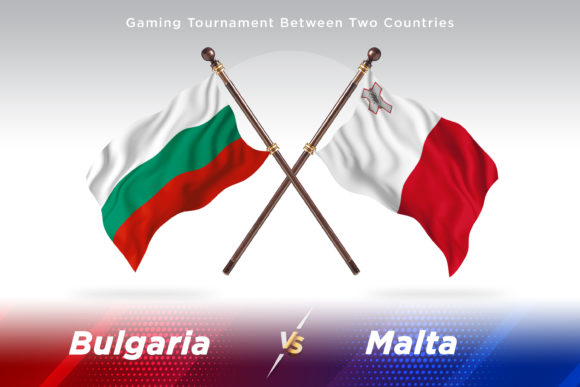
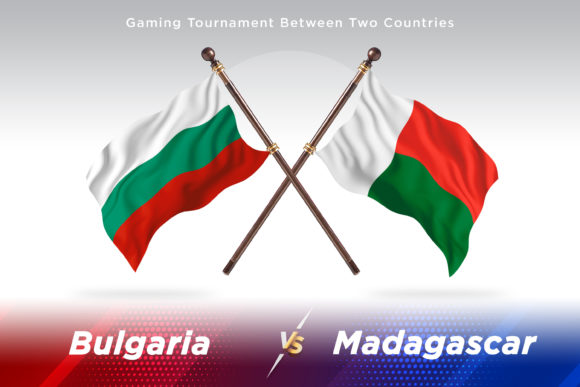
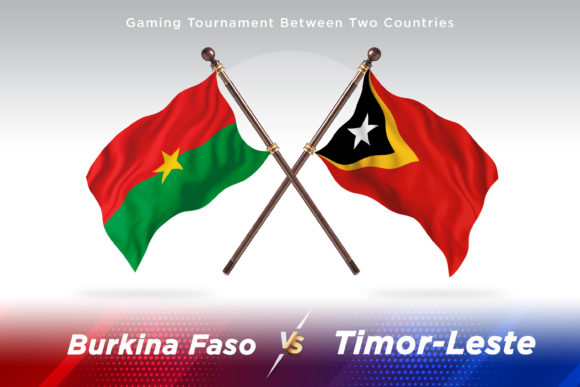
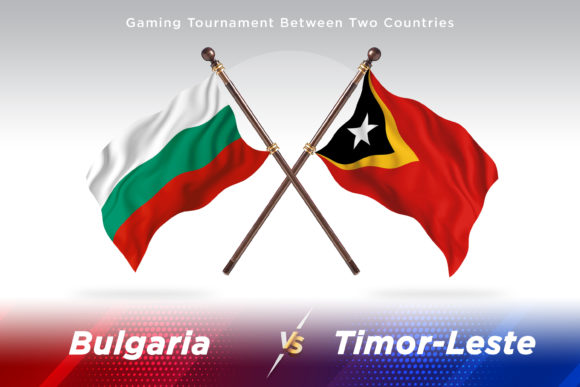
The flag of Bulgaria is a tricolor featuring three equal horizontal bands of white, green, and red. Adopted in its current form in 1990, following the fall of communism, the flag retains colors that have been associated with the nation since the 19th century. Each color carries profound historical and emotional resonance for the Bulgarian people.
- White: Representing peace, freedom, and justice. It symbolizes the clear skies over the Balkan mountains and the enduring spirit of the Bulgarian nation.
- Green: Signifying agriculture, fertility, and the lush forests that cover much of the country's landscape. It reflects the deep connection Bulgarians have with their land and natural resources.
- Red: Denoting courage, valor, and the blood shed by ancestors in the struggle for independence and unity. It is a reminder of the sacrifices made throughout centuries of resistance against foreign rule.
For designers working on projects involving Eastern European culture, the Bulgarian flag offers a clean, balanced composition. The horizontal stripes provide a stable visual foundation, making it an excellent candidate for backgrounds, headers, or comparative graphics where stability and tradition are key themes.
The Historical Narrative of the Timor-Leste Flag
The flag of Timor-Leste (East Timor) presents a striking contrast in both color palette and symbolism compared to many European flags. Introduced upon the restoration of independence in 2002, the design was selected from a competition and features four overlapping triangles: a larger black triangle bearing a white five-pointed star, superimposed by a smaller red triangle, which itself contains a yellow triangle. The remaining area is filled with red.
- Black Triangle: Represents the obscurantism and colonial domination that Timor-Leste suffered under Portuguese and Indonesian rule. It stands for the darkness overcome by the struggle for freedom.
- White Star: Located within the black triangle, the star symbolizes peace, justice, democracy, and sovereignty. Its five points correspond to the five senses, suggesting that all aspects of life are guided by these principles.
- Red Triangle: Reflects the courage and determination of the Timorese people in their fight for liberation.
- Yellow Triangle: Stands for the traces of colonialism left in the country’s material culture, as well as the wealth of the nation.
The dynamic geometry of the Timor-Leste flag, with its intersecting triangles, makes it visually distinctive. In digital illustrations, particularly those depicting motion or conflict resolution, the sharp angles and contrasting colors allow for creative manipulation. When paired with another flag, such as Bulgaria's, the juxtaposition highlights the diversity of global political histories and artistic expressions in national heraldry.
Technical Advantages of Isolated Layered Flag Illustrations
For graphic designers, web developers, and multimedia producers, the availability of high-resolution, properly organized digital assets is crucial. A standard image file often lacks the flexibility needed for professional editing. This is where specialized bundles featuring Bulgaria versus Timor-Leste two flags with isolated backgrounds and layered structures become invaluable.
Layer Organization and Smart Objects
Modern design workflows rely heavily on non-destructive editing techniques. Files provided in formats like PSD (Photoshop Document) with smart objects allow users to resize, recolor, or replace elements without losing quality. Each flag being isolated on its own layer means that a designer can easily manipulate the position, scale, or opacity of the Bulgarian flag independently from the Timor-Leste flag.
This separation is essential for creating "versus" style graphics, comparison charts, or animated sequences where one flag might need to wave while the other remains static, or where lighting effects need to be applied differently to each surface. Well-organized layers ensure that even complex compositions remain manageable, reducing the time spent on tedious masking or selection processes.
Resolution and Format Versatility
A bundle offering multiple formats—such as a 4500 x 3000 px PSD, a high-quality JPEG, and a transparent PNG—caters to a wide range of use cases. The high-resolution PSD is ideal for print media, large-format banners, or detailed vector-based edits. The JPEG serves well for quick previews or web thumbnails where file size is a concern, while the PNG ensures that the flags can be placed over any background without unsightly borders, maintaining the integrity of the design.
Practical Applications in Education and Media
The educational sector benefits significantly from accurate and visually appealing representations of national symbols. Teachers and curriculum developers can use these isolated flag illustrations to create interactive maps, timelines, or cultural exchange programs. For instance, a lesson comparing the economic policies of Southeast Asia and Eastern Europe could feature side-by-side animations of the Bulgaria versus Timor-Leste two flags to engage students visually.
In journalism and media, flags are frequently used to denote the origin of news stories or the participants in international sports events. Using professionally designed, 3D-waving flag illustrations adds a layer of polish and professionalism to broadcasts and online articles. The ability to customize the waving pattern or angle through smart objects allows media outlets to maintain brand consistency while accurately representing different countries.
Considerations for Designers and Creators
When incorporating national flags into designs, accuracy and respect are paramount. Designers must ensure that the proportions, colors, and symbols adhere to official specifications. Errors in flag design can lead to misinformation or unintended offense. Therefore, using verified sources or pre-made bundles from reputable providers is recommended.
Additionally, context matters. While some contexts allow for playful or artistic interpretation, others require strict adherence to protocol. Understanding the cultural sensitivity surrounding certain flags helps creators make informed decisions about how to present them. For example, when creating a "versus" graphic, it is important to frame the comparison in a neutral or positive light, avoiding any implication of superiority or inferiority between the cultures represented.
Expanding Beyond Two Nations
While the focus here is on Bulgaria and Timor-Leste, the principles of using isolated, layered flag assets apply universally. Many design bundles offer extensive libraries of flags from around the world. If a project requires additional nations, creators should look for comprehensive packages that include proper naming conventions and consistent styling across all entries. This consistency ensures that a final presentation looks cohesive, regardless of how many countries are involved.
Furthermore, the demand for diverse representation in digital content continues to grow. Including flags from less commonly featured regions, such as Timor-Leste, alongside major European powers like Bulgaria, promotes inclusivity and broadens the scope of visual storytelling. It encourages audiences to explore and appreciate the full spectrum of global diversity.
Conclusion
The intersection of national symbolism and digital design technology offers vast opportunities for creative expression and effective communication. By leveraging high-quality, isolated, and layered illustrations of flags like those of Bulgaria and Timor-Leste, professionals can enhance the visual impact of their work. Whether for educational purposes, media production, or commercial design, understanding the nuances of these symbols and the technical tools available to manipulate them is essential. As the digital landscape evolves, the ability to adapt and customize these iconic images will remain a key skill for anyone seeking to connect with a global audience.