Bulgaria Versus Ecuador Two Flags: Integrating High-Quality Flag Assets into Professional Design Workflows
In the realm of digital content creation, visual accuracy and aesthetic appeal are not merely decorative elements; they are foundational components of effective communication. Whether you are designing a sports infographic, preparing educational materials for a classroom, or crafting marketing collateral for an international event, the precision with which national symbols are represented can significantly impact audience trust and engagement. This is where specialized assets like the Bulgaria Versus Ecuador Two Flags concept illustration become indispensable tools in a designer’s toolkit. By understanding how to integrate high-fidelity flag imagery into your broader creative process, professionals can streamline their workflow, ensure brand consistency, and deliver polished results that resonate with global audiences.
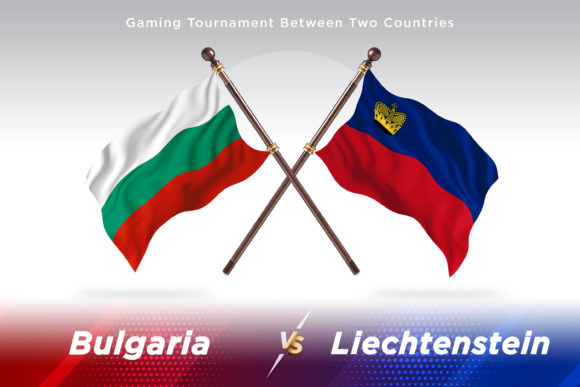
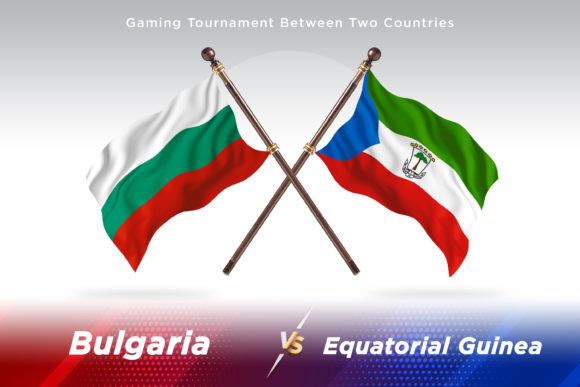
The specific asset described—a 3D waving position illustration featuring the official flags of Bulgaria and Ecuador isolated on an opaque background—represents more than just a static image. It is a structured, editable resource designed for flexibility and ease of use. For creators aged 20 to 50 who balance multiple projects, the ability to quickly adapt such assets without compromising quality is crucial. This article explores how to leverage this specific type of vector-based or layered raster graphic within practical workflows, focusing on preparation, implementation, and long-term utility.
Understanding the Asset Structure and Technical Specifications
Before diving into application, it is essential to understand what makes the Bulgaria Versus Ecuador Two Flags bundle technically superior for professional use. The description highlights several key features: a primary PSD file at 4500 x 3000 pixels, accompanied by JPEG and PNG exports, smart object integration, and well-organized layers. These specifications directly influence how the asset fits into various stages of a project.
The resolution of 4500 x 3000 pixels provides ample canvas space for high-resolution printing or large-scale web displays. This ensures that when the flags are scaled down for social media thumbnails or up for banner ads, the crispness of the 3D waving effect remains intact. However, the true value lies in the layer organization. In a busy design environment, time spent untangling messy files is time lost from actual creation. A well-structured PSD allows designers to isolate each flag on its own layer, enabling precise adjustments to color, shadow, or position without affecting the other element. This separation is particularly useful when creating "versus" style graphics, where symmetry and alignment are critical for visual balance.
Furthermore, the inclusion of smart objects in the Photoshop (PSD) file offers a significant advantage in terms of efficiency. Smart objects allow non-destructive editing. If a client requests a slight change in the angle of the wave or a different lighting condition, the designer can apply filters or transformations that do not degrade the original pixel data. This feature supports iterative design processes, common in agency environments where feedback loops are frequent and revisions are expected.
Integrating Flag Illustrations into Diverse Project Types
The versatility of the Bulgaria Versus Ecuador Two Flags concept means it can be deployed across a wide spectrum of industries. For educators and bloggers, these assets simplify the creation of engaging visual aids. Imagine a blog post discussing cultural differences between Eastern Europe and South America. Instead of sourcing low-quality images from search engines, which may have copyright issues or poor resolution, a creator can drop the isolated flags into their layout. The isolated background ensures that the flags can be placed over any pattern, gradient, or photograph without complex masking techniques, saving hours of manual work.
In the context of sports journalism or fantasy leagues, "versus" graphics are a staple. The dynamic 3D waving position adds energy and movement to static text, drawing the eye to the matchup. When preparing match previews or tournament brackets, having pre-made, high-quality flag pairs allows for rapid assembly of graphics. This speed is vital during live events or breaking news cycles where immediate publication is required. The ability to quickly swap out one flag for another, should the fixture change, is facilitated by the smart object capabilities mentioned earlier.
For marketers and entrepreneurs, these assets serve as powerful branding tools. A small business expanding into new markets might use flag imagery in email newsletters or landing pages to signal international availability. Using official, correctly proportioned flags conveys professionalism and attention to detail. Conversely, using distorted or inaccurate representations can undermine credibility. The "Official Country Flags" aspect of the bundle ensures that the colors and proportions adhere to standard conventions, reducing the risk of accidental misrepresentation.
Workflow Optimization and Best Practices
To maximize the utility of this asset, designers should adopt a systematic approach to file management and integration. Preparation begins before the software is even opened. Organizing a dedicated folder structure for regional assets helps maintain consistency across projects. When importing the Bulgaria Versus Ecuador Two Flags PSD, it is advisable to flatten only the necessary parts for export while keeping the master file intact for future edits. This practice preserves the integrity of the smart objects and layer groups.
Compatibility is another factor to consider. While the PSD format is ideal for deep editing, the provided JPEG and PNG versions offer ready-to-use alternatives for platforms that do not support layered files, such as certain CMS editors or presentation software. PNGs, in particular, are valuable because they support transparency, allowing the flags to blend seamlessly into designs with complex backgrounds. However, if the specific aesthetic requires the solid isolated background shown in the preview, the JPEG version ensures consistent rendering across all devices.
Efficiency also comes from knowing when to ask for customization. The prompt notes that if other flags not present in the bundle are needed, users can request them. This indicates a service-oriented approach to asset provision. In a professional workflow, this means you are not limited to a static library. You can build a custom repository of flag pairs relevant to your niche. For instance, a travel agency might commission a series of "Versus" packs highlighting popular destination matchups. By treating these assets as modular components, you can scale your visual output without sacrificing quality.
Maintaining Quality Control and Ethical Standards
When working with national symbols, ethical considerations and quality control are paramount. Flags carry cultural and political weight, and their misuse can lead to unintended offense or legal complications. Using a source that specifies "Official Country Flags" suggests adherence to heraldic standards, but designers must still verify usage rights depending on their jurisdiction and purpose. Commercial use often requires careful scrutiny of licensing agreements.
Quality control extends to the technical execution. Always check the final composite at 100% zoom to ensure no aliasing artifacts appear around the edges of the waving fabric. The 3D effect relies on shadows and highlights; if these are compressed too heavily during export, the realism can suffer. Saving high-bit-depth versions for print and optimizing RGB versions for web are standard practices that preserve the visual impact of the 3D waving position. Additionally, ensuring that the layers remain labeled properly ("Bulgaria", "Ecuador") prevents confusion when collaborating with team members. Clear labeling is a hallmark of organized, professional workflows.
Long-Term Value and Scalability
Investing in high-quality, editable assets like the Bulgaria Versus Ecuador Two Flags bundle pays dividends over time. Unlike generic stock photos that may be used once and discarded, layered PSDs become part of a reusable library. As trends shift and new projects arise, these assets can be repurposed. A "versus" graphic created for a football match can be adapted for a cultural exchange program or a diplomatic summit simply by changing the accompanying text and context. The underlying visual structure remains robust and relevant.
Moreover, the scalability of digital assets allows for cross-platform consistency. A flag pair designed for a desktop website header can be resized and repositioned for a mobile app icon or a printed brochure cover without losing fidelity. This consistency strengthens brand identity, making your content instantly recognizable across different touchpoints. For freelancers and solopreneurs, this means less time reinventing the wheel and more time focusing on strategy and storytelling.
In conclusion, the Bulgaria Versus Ecuador Two Flags concept illustration is more than a simple image download; it is a strategic resource for modern creators. By leveraging its technical features—high resolution, smart objects, and organized layers—professionals can enhance their productivity, ensure visual accuracy, and maintain high standards of quality. Whether used for education, marketing, or entertainment, integrating such assets thoughtfully into your workflow leads to better outcomes and more impactful communication. Embrace the flexibility of these tools, stay organized, and always prioritize the integrity of the symbols you represent.