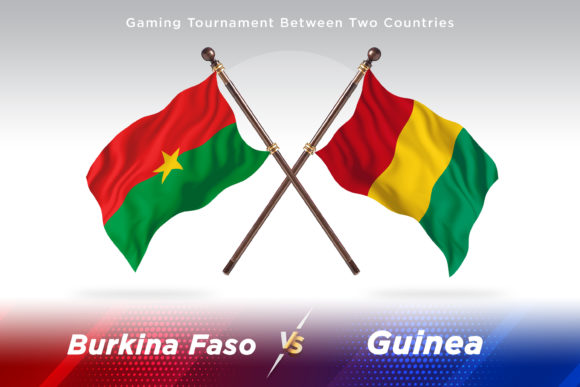
Burkina Faso Versus Guinea Two Flag: Why Layered Design Matters for Professional Presentations
When you are tasked with creating a visual comparison, educational slide, or marketing asset that features national symbols, the difference between a flat image and a professionally structured file is often the difference between a sloppy presentation and a polished one. The Burkina Faso Versus Guinea Two Flag concept illustration is not just a simple side-by-side graphic; it is a specific design resource that solves common headaches for creators who need accuracy, flexibility, and high-resolution output.
Many designers, bloggers, and educators assume that downloading any PNG of two flags is sufficient. However, when you need to edit colors, adjust wave patterns, or isolate elements for complex layouts, a static image falls short. This article breaks down why the layered PSD format of this specific bundle offers superior utility compared to standard isolated background illustrations, and how understanding these technical details can save you time and prevent costly errors in your final project.
The Hidden Complexity of "Isolated" Flags
At first glance, the term "isolated background illustration 3D waving position" sounds like a standard stock photo description. But there is a critical distinction between an image where the background has been removed and a file where every element exists on its own layer. When you purchase or download the Burkina Faso Versus Guinea Two Flag bundle, you are getting access to the structural anatomy of the flags, not just their surface appearance.
If you use a flattened JPEG or PNG, you are locked into the current state of the waves, shadows, and lighting. You cannot move the Guinean flag slightly to the left without cropping the canvas. You cannot change the red shade to match a brand guideline. With the provided PSD file, each flag is isolated on its own layer. This means you have total control over positioning, scaling, and blending modes. For professionals working on client projects, this level of control is non-negotiable. It allows you to integrate the flags seamlessly into brochures, websites, or video overlays without the awkward "cut-out" look that plagues poorly edited stock assets.
Common Mistakes in Flag Representation
Even experienced marketers sometimes overlook the nuances of national symbols. Using incorrect proportions, wrong color codes, or outdated designs can damage credibility, especially in educational or diplomatic contexts. Here are common pitfalls to avoid when using flag assets:
- Ignoring Aspect Ratios: Many free clipart images distort the official proportions of the Burkina Faso and Guinea flags. The Burkina Faso Versus Guinea Two Flag bundle adheres to official specifications, ensuring that the horizontal bands and stars are sized correctly relative to the flag’s dimensions.
- Static Waving Effects: A rigid, frozen wave can look artificial. The 3D waving position in this illustration is designed to look dynamic yet natural. If you try to recreate this effect from scratch using basic filters, you may end up with unnatural pixelation or inconsistent lighting across the fabric folds.
- Color Inaccuracy: The red, yellow, and green in the Guinea flag, and the red star and two horizontal bands in the Burkina Faso flag, have specific semantic meanings and official hex codes. Relying on compressed JPEGs often leads to color shifting, making the greens look muddy or the reds too orange. Working with the original layers preserves color fidelity.
Why the PSD Format Wins for Efficiency
The inclusion of 1 PSD (4500 x 3000 px), along with 1 JPEG and 1 PNG, covers all bases for different workflows. However, the PSD is the powerhouse here. Because the file features smart objects, you can replace the flag content without losing quality or breaking the layout. This is particularly useful if you want to swap out one of the flags for another country later on, or if you need to generate variations for A/B testing in digital ads.
Well-organized layers are the unsung hero of efficient design. When you open this file, you should not have to hunt through hundreds of nested groups to find the shadow layer for the Guinea flag. The structure allows you to toggle visibility, adjust opacity, or apply global effects quickly. For freelancers and small business owners juggling multiple projects, this organizational clarity translates directly into faster turnaround times and fewer revision rounds with clients.
Evaluating Your Needs Before Downloading
Before integrating the Burkina Faso Versus Guinea Two Flag assets into your workflow, take a moment to assess your specific requirements. Are you building a static blog post? The included PNG might be sufficient. Are you designing a multi-page report or a video intro? The PSD will be essential.
Consider the resolution needs. At 4500 x 3000 pixels, this image is high enough quality for large-format printing, such as banners or trade show displays, without becoming pixelated. If you only need a tiny icon for a website header, you might be overkill-ing with this file size, though the ability to scale down without loss is still a benefit. Also, verify if you need other flags. As noted by the creator, if you require additional countries not present in the bundle, reaching out for custom additions can ensure consistency across a larger set of materials. Consistency in style—such as matching the 3D wave intensity—is crucial for professional branding.
Best Practices for Implementation
To get the most out of this illustration, follow these practical steps:
- Check Color Profiles: Ensure your design software is set to the correct color profile (usually sRGB for web, CMYK for print) to maintain the vibrancy of the flags.
- Use Smart Objects Wisely: When replacing content via smart objects, keep the replacement images at a similar resolution to avoid blurring. Maintain the aspect ratio to prevent stretching.
- Layer Management: Rename your layers once you start editing. If you duplicate the Guinea flag layer to create a reflection or shadow effect, name it clearly. This prevents confusion as your project grows in complexity.
- Contextual Placement: Flags carry cultural weight. Ensure that placing the Burkina Faso flag next to the Guinea flag makes contextual sense for your audience. Whether illustrating economic ties, sports competitions, or cultural exchanges, the visual pairing should support the narrative.
Ultimately, the value of the Burkina Faso Versus Guinea Two Flag bundle lies in its adaptability. It is not just a picture; it is a toolkit for accurate, high-quality visual communication. By choosing a resource that respects the integrity of the source material and provides the technical freedom to edit, you protect your work from the limitations of static stock imagery. Whether you are a seasoned graphic designer or a blogger looking to elevate your content, investing in well-structured, layered assets pays off in the professionalism of your final output.