Burkina Faso Versus Sierra Leone Flags: A Deep Dive into High-Fidelity National Symbolism
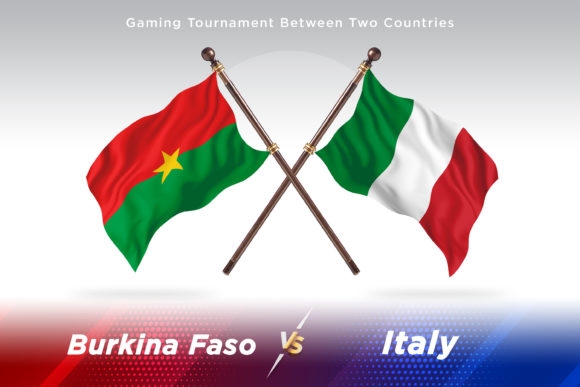
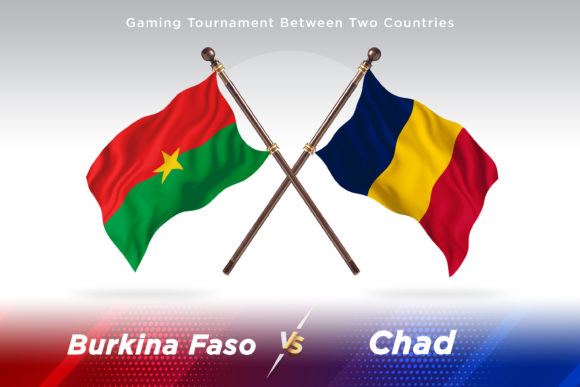
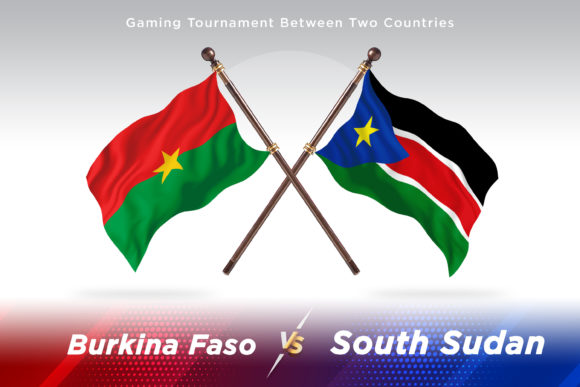
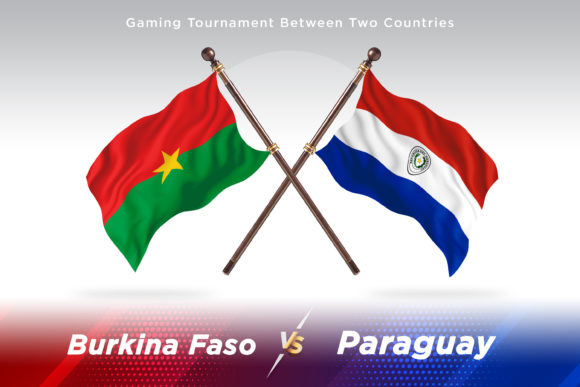
In the realm of graphic design, international relations, and digital content creation, visual accuracy is not merely an aesthetic choice; it is a matter of respect and precision. The Burkina Faso Versus Sierra Leone Flags concept illustration represents more than just a side-by-side comparison of two West African nations. It serves as a critical resource for professionals who require authentic, high-resolution assets that honor the distinct cultural and political identities of sovereign states. When designing for global audiences, the difference between a generic flag icon and a meticulously crafted, isolated 3D rendering can determine the credibility of your project.
This analysis explores the significance of using official country flags in professional workflows, focusing on the specific technical advantages of isolated background illustrations and the broader implications of accurate national symbolism in modern digital media. Whether you are a marketer creating a report on African economic growth, an educator preparing materials on West African history, or a developer building a localization feature for a global platform, understanding the nuances of these designs is essential.
The Importance of Official Representation in Digital Design
Flags are powerful semiotic devices. They convey identity, sovereignty, and heritage in a single glance. However, in the digital age, many creators rely on low-quality, distorted, or incorrectly colored versions of national symbols found freely on the internet. This practice, while common, undermines the integrity of professional work. The Burkina Faso Versus Sierra Leone Flags asset bundle addresses this gap by providing access to Official Country Flags from all of the world, rendered with strict adherence to their legal specifications.
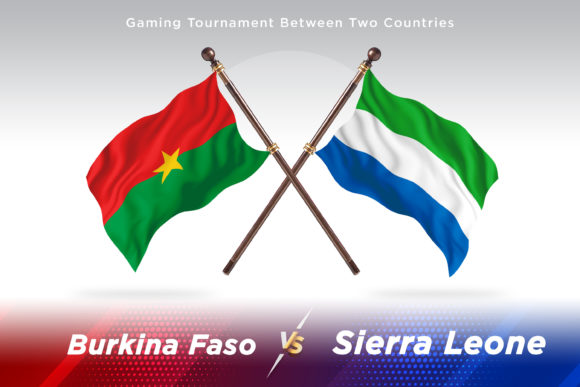
Burkina Faso’s flag, introduced in 1984 under President Thomas Sankara, features a bold red upper half and green lower half, divided by a yellow horizontal band, with a five-pointed yellow star in the center. Each color holds specific meaning: red symbolizes the revolution, green represents the wealth of the land, yellow denotes the sun and mineral riches, and the star signifies the guiding light of the revolution. In contrast, Sierra Leone’s flag consists of three equal horizontal bands of blue, white, and green. The blue represents the natural harbor of Freetown, the white stands for unity and peace, and the green symbolizes agriculture and natural resources.
When these flags are presented in a 3D waving position against an isolated background, they gain a dynamic quality that flat images lack. This realism allows designers to integrate national symbols into complex compositions without the distraction of cluttered backdrops. For businesses operating in or targeting these regions, such precision signals a deep respect for local culture, fostering trust and engagement with the audience.
Technical Advantages of Isolated Layered Assets
For creative professionals, the workflow efficiency provided by well-organized digital assets cannot be overstated. The Burkina Faso Versus Sierra Leone Flags illustration is delivered as a comprehensive package including 1 PSD (4500 x 3000 px), along with 1 JPEG and 1 PNG variants. This multi-format approach ensures compatibility across various design software and deployment environments.
- Smart Object Integration: The PSD file is structured to allow edits via smart objects. This means designers can swap out colors, textures, or even entire flag designs without breaking the layer structure. If a client requires a variation for a different country, the smart object feature streamlines the process significantly.
- Layer Organization: The file features well organized layers, with each flag isolated on its own layer with the proper name. This granular control enables precise adjustments to shadows, lighting, and perspective. For instance, a designer can tweak the wave pattern of the Burkina Faso flag independently from the Sierra Leone flag, ensuring that each element looks naturally integrated yet distinctly separate.
- High Resolution Standards: At 4500 x 3000 pixels, the source file meets the demands of large-scale printing and high-DPI screen displays. This resolution ensures that the texture of the fabric and the vibrancy of the colors remain crisp, whether viewed on a mobile device or printed on a billboard.
The availability of both raster formats (JPEG and PNG) alongside the editable PSD caters to diverse needs. The PNG version, with its transparency, is ideal for web overlays and UI elements, while the JPEG offers a compressed, ready-to-use image for presentations or social media posts where file size is a concern but quality remains paramount.
Evolving Trends in Global Content Creation
The demand for localized and culturally resonant content has surged in recent years. As the internet becomes more globalized, users expect brands and institutions to reflect the diversity of their audience. This shift is particularly evident in the tech sector, where app localization goes beyond language translation to include visual adaptation. Using Two Countries Flags versus Background Versus concept illustration is a strategic move for companies looking to highlight regional partnerships or comparative market analyses.
Furthermore, the trend toward 3D visualization in web design and marketing materials has elevated the standard for static imagery. Flat design is still prevalent, but there is a growing appetite for depth and realism. The Isolated background illustration 3D waving position style taps into this desire, offering a modern, polished look that captures attention without overwhelming the viewer. This style is especially effective in educational contexts, where visual clarity aids in information retention.
Educators and bloggers are increasingly turning to high-quality vector and raster assets to enhance their content. A blog post comparing the economic policies of Burkina Faso and Sierra Leone becomes far more engaging when accompanied by visually striking, accurate representations of their national flags. Similarly, marketers launching campaigns in West Africa can use these assets to create region-specific advertisements that feel authentic rather than generic.
Practical Implications for Professionals and Creators
For freelancers and agency owners, having access to a library of properly attributed and technically robust flag assets saves time and reduces liability. Incorrectly displaying a national flag can lead to diplomatic sensitivities or brand damage. By using verified, official designs, professionals mitigate these risks. The offer to provide other flags not present in the bundle upon request further underscores the value of working with a provider who understands the importance of completeness and customization.
Consider a scenario where a nonprofit organization is creating a donor report highlighting projects in multiple African countries. They need to display flags for Burkina Faso, Sierra Leone, Ghana, and Nigeria. Starting with a high-quality base like the Burkina Faso and Sierra Leone pair allows them to maintain a consistent visual style across the report. They can then request additional flags from the same creator, ensuring that all elements share the same lighting, perspective, and resolution standards.
In the corporate world, multinational companies often use flag comparisons in investor decks to illustrate market expansion strategies. A slide showing Burkina Faso Versus Sierra Leone Flags side-by-side can visually anchor a discussion about trade agreements or supply chain logistics. The professional presentation of these symbols reinforces the seriousness and thoroughness of the business case.
Why Accuracy Matters in a Connected World
The distinction between Burkina Faso and Sierra Leone is not just academic; it reflects the unique historical trajectories and current realities of these nations. Burkina Faso, formerly Upper Volta, underwent significant ideological shifts in the late 20th century, which are reflected in its flag’s revolutionary symbolism. Sierra Leone, on the other hand, gained independence from Britain in 1961, and its flag’s tricolor design mirrors the influence of British heraldry while asserting a distinct African identity.
When designers ignore these details, they contribute to a homogenized view of the world that erases important cultural distinctions. By prioritizing accuracy, we acknowledge the complexity and richness of global cultures. The Burkina Faso Versus Sierra Leone Flags illustration is a tool for this acknowledgment, enabling creators to tell stories that are both visually compelling and factually grounded.
Moreover, as AI-generated content becomes more prevalent, the human touch of verifying and curating high-quality assets becomes even more valuable. Users are becoming more discerning about the sources of their visual information. Providing transparent, well-documented, and professionally executed design assets helps build long-term trust with clients and audiences alike.
Conclusion
The Burkina Faso Versus Sierra Leone Flags concept illustration is a testament to the intersection of art, technology, and cultural respect. It offers more than just images; it provides a framework for professional excellence in design. By leveraging the technical features of the PSD file—such as smart objects, isolated layers, and high resolution—creators can produce work that is both aesthetically pleasing and functionally versatile. As the digital landscape continues to evolve, the need for accurate, high-quality national symbols will only grow. Embracing tools that prioritize these values ensures that our visual communication remains inclusive, respectful, and impactful.