Brunei Versus Syria Two Flags: A Comparative Analysis of National Symbolism and Design Utility
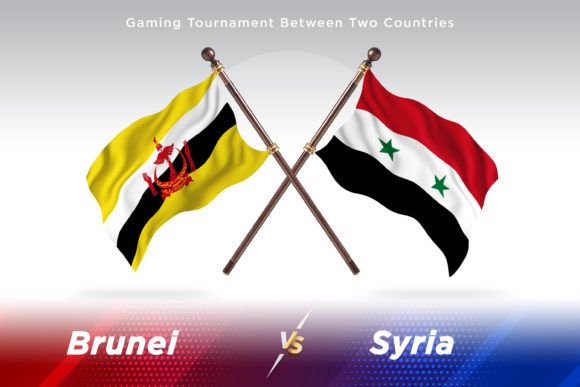
When evaluating visual assets for international projects, the distinction between national symbols is often more nuanced than simple geographic placement. The concept of Brunei Versus Syria Two Flags represents a specific intersection of design utility and cultural representation. This comparison is not merely about placing two distinct emblems side-by-side; it is an exploration of how isolated, high-fidelity flag illustrations function within broader graphic design frameworks. For professionals seeking to understand the value proposition of such assets—particularly those featuring official country flags in 3D waving positions—it is essential to look beyond the aesthetic appeal and examine the technical specifications, layer organization, and semantic weight of each symbol.
The core of this discussion revolves around a digital asset bundle that presents the flags of Brunei and Syria in an isolated, three-dimensional context. By isolating these elements on separate layers, designers gain the flexibility to manipulate each flag independently, ensuring that neither symbol overwhelms the other nor loses its integrity against complex backgrounds. This approach aligns with modern design standards that prioritize scalability, editability, and precise color accuracy.
Understanding the Visual Components
To appreciate the utility of the Brunei Versus Syria Two Flags illustration, one must first dissect the individual components that make up the asset. The bundle includes a primary PSD file at 4500 x 3000 pixels, accompanied by JPEG and PNG exports. This resolution ensures that the images remain crisp even when scaled for large-format prints or high-resolution web displays. The inclusion of multiple file formats addresses different workflow requirements, allowing users to choose between layered editing capabilities and flattened, ready-to-use graphics.
The 3D waving position adds a dynamic element to what could otherwise be static rectangular shapes. This motion simulation provides depth and realism, making the flags appear as if they are caught in a breeze. However, the true power of this asset lies in its structure. Each flag is isolated on its own layer with the proper name attached. This organizational method is critical for efficient design workflows. It allows designers to quickly toggle visibility, adjust opacity, or apply blend modes without risking damage to the underlying image data. Smart objects further enhance this functionality, enabling non-destructive scaling and filtering.
The Symbolism of Brunei and Syria
In any comparative analysis involving national flags, the symbolic content cannot be ignored. The flag of Brunei Darussalam features a yellow background with black and white diagonal stripes, topped by a red crest. Yellow signifies the monarch, while the black and white stripes represent the chief ministers. The red crest embodies all virtues of administration. In contrast, the Syrian flag consists of three horizontal bands of red, white, and black, with two green stars in the central white band. These colors trace back to the Pan-Arab colors, while the stars historically represented the union between Syria and Egypt.
When juxtaposing these two flags in a design, the visual contrast is stark. Brunei’s design is centered and emblem-heavy, relying on symmetry and vertical balance. Syria’s design is horizontal and linear, emphasizing breadth and continuity. Understanding these structural differences helps designers decide how to arrange them in a composition. For instance, placing them side-by-side requires careful attention to visual weight to ensure neither flag appears subordinate to the other.
Technical Advantages of Layered Isolation
The decision to use an asset like Brunei Versus Syria Two Flags is often driven by technical needs rather than just aesthetic preference. In professional graphic design, the ability to isolate elements is paramount. When flags are presented on an isolated background, they can be seamlessly integrated into various contexts without the need for tedious manual masking. This is particularly useful for creating maps, infographics, or comparative charts where clarity is essential.
- Editability: With well-organized layers, designers can modify specific parts of the flag, such as adjusting the shade of yellow or the angle of the wave, using smart objects.
- Versatility: The isolation allows the flags to be placed over dark, light, or patterned backgrounds without clipping issues or unwanted artifacts.
- Consistency: Using a standardized 3D waving model ensures that both flags share the same lighting, shadow, and perspective, creating a cohesive visual narrative.
This level of control is difficult to achieve with pre-flattened images. By providing access to the source PSD file, the asset empowers users to tailor the output to their exact specifications. Whether the goal is to create a subtle watermark or a bold headline graphic, the layered structure supports a wide range of creative directions.
Evaluating Alternatives and Use Cases
While the Brunei Versus Syria Two Flags bundle offers significant benefits, it is important to consider whether it fits every project requirement. Not all design tasks require 3D rendering or layered files. For simple text overlays or low-resolution thumbnails, a flat vector icon might suffice. Similarly, if a project involves dozens of countries, sourcing individual flags from a global database might be more efficient than purchasing specialized bundles.
However, for projects that demand high visual impact and specific cultural representation, this type of asset shines. Consider a news article comparing diplomatic relations between Southeast Asia and the Middle East. Using realistic, 3D-rendered flags adds a layer of professionalism and immediacy that flat icons lack. The detailed texture and lighting of the fabric in the 3D model convey a sense of authenticity that resonates with adult audiences aged 20–50, who are often looking for credible and polished visual information.
Furthermore, the option to request additional flags if needed extends the utility of this resource. If a designer is working on a comprehensive report involving multiple nations, the ability to commission matching styles ensures consistency across the entire document. This flexibility makes the asset a valuable tool for researchers, journalists, and educators who need to present accurate and visually engaging comparisons.
Decision Factors for Designers
Selecting the right visual resources involves balancing cost, quality, and convenience. The Brunei Versus Syria Two Flags illustration offers a middle ground between generic clip art and fully custom 3D modeling. Custom modeling would provide unique results but at a significantly higher cost and time investment. Generic clip art, while cheap, often lacks the detail and layer organization required for professional work.
Designers should evaluate their project timeline and budget when deciding to use this asset. If the deadline is tight and the need for high-quality, editable graphics is immediate, this bundle provides a ready-made solution. The inclusion of smart objects reduces the learning curve, allowing even less experienced users to achieve professional results. Additionally, the clear labeling of layers minimizes confusion, reducing the risk of errors during the editing process.
It is also worth noting the importance of copyright and usage rights. While official flags are generally public domain, the artistic interpretation, lighting, and 3D modeling are protected intellectual property. Users must ensure they have the appropriate license to use these assets in commercial or editorial contexts. The provided JPEG and PNG files offer convenient options for final export, but the PSD remains the key to maximizing the asset's potential.
Conclusion on Utility and Impact
The comparison between Brunei and Syria through the lens of flag design highlights the importance of visual precision and cultural respect. The Brunei Versus Syria Two Flags asset serves as a robust tool for creators who need to represent these nations accurately and attractively. Its strengths lie in its high resolution, layered organization, and realistic 3D presentation. These features make it suitable for a variety of applications, from educational materials to corporate presentations.
Ultimately, the choice to use this asset depends on the specific needs of the project. For those requiring isolated, editable, and visually striking national symbols, this bundle offers a compelling solution. By understanding the technical and symbolic nuances of both flags, designers can create compositions that are not only aesthetically pleasing but also informative and respectful. As digital content continues to evolve, the demand for high-quality, semantically rich visual resources will only increase, making tools like this increasingly relevant for modern design practices.