Bulgaria Versus Malta Two Flags: A Comparative Analysis of National Symbols and Design Assets
In the realm of graphic design, international relations, and cultural representation, the visual identity of a nation is often distilled into its flag. When designers, educators, or content creators seek to represent specific countries, they frequently turn to high-quality vector or raster assets that capture the essence of these symbols. One such specific search query that highlights the intersection of niche national comparison and digital asset utility is "Bulgaria Versus Malta Two Flags." This phrase not only points to a direct comparison between two distinct European nations but also refers to a specific category of premium design resources featuring isolated, 3D-waving flags.
The concept of Bulgaria Versus Malta Two Flags extends beyond mere geopolitical rivalry; it serves as a focal point for understanding how national emblems are rendered in modern digital workflows. Whether for a comparative history project, a sports tournament bracket, or a marketing campaign highlighting Mediterranean vs. Balkan aesthetics, having access to properly layered, editable flag illustrations is crucial. This article explores the significance of these two flags, the technical specifications of their digital representations, and the broader implications of using isolated, high-fidelity flag assets in professional design environments.
The Visual Language of Bulgaria and Malta
To understand the value of comparing these two flags, one must first appreciate their distinct visual architectures. Bulgaria and Malta, while both members of the European Union, possess heraldic traditions and color palettes that are radically different, making them excellent subjects for design contrast.
The Tricolor of Bulgaria
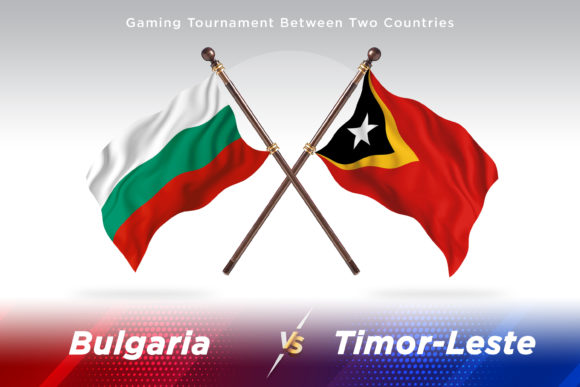
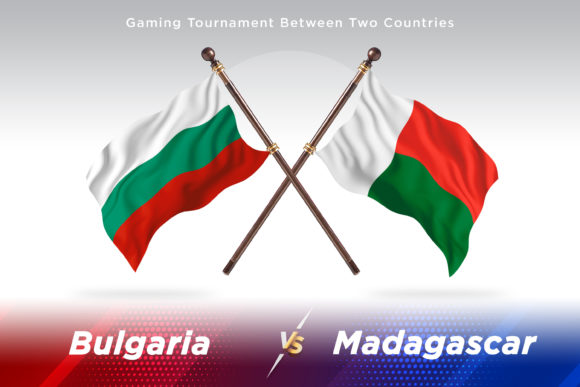
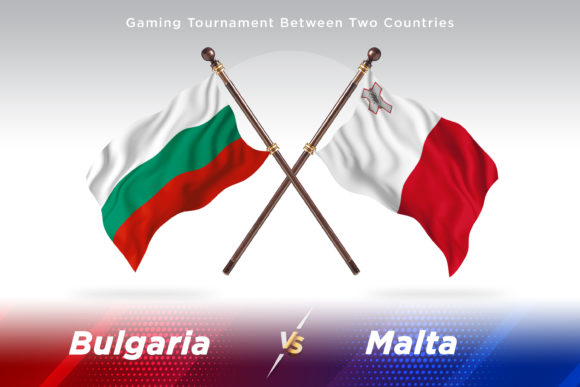
The flag of Bulgaria is a triband consisting of three equal horizontal stripes of white, green, and red from top to bottom. The simplicity of this design is deceptive. The white stripe symbolizes freedom and justice, the green represents the country's lush forests and agricultural wealth, and the red stands for the courage and bravery of the Bulgarian people. In a digital illustration context, particularly one described as a "3D waving position," the interplay of light and shadow across these three horizontal bands creates a dynamic sense of movement. The lack of a central emblem means that the texture of the fabric and the physics of the wave become the primary focus of the artwork.
The Geometric Precision of Malta
In stark contrast, the flag of Malta features a vertical bicolour of white and red, with a grey Maltese cross in the upper hoist-side corner. The white and red colors are derived from the livery of the Sicilian Viceroy who ruled the islands before the British era. The Maltese Cross, an eight-pointed cross associated with the Knights Hospitaller, adds a complex geometric element to the flag. When rendering this flag in a 3D environment, the designer must carefully manage the opacity and blending modes of the cross against the bicolor background. The "versus" aspect here is visual: the horizontal flow of Bulgaria’s tricolor versus the vertical division and static geometric anchor of Malta’s cross.
Technical Specifications of Premium Flag Assets
When searching for resources related to Bulgaria Versus Malta Two Flags, professionals often encounter bundles that promise high-end usability. These assets are not merely flat images; they are complex digital constructions designed for flexibility. Understanding the technical components of these files is essential for maximizing their utility in projects ranging from web design to print media.
Resolution and Dimensions
A standard high-quality flag bundle typically offers dimensions of 4500 x 3000 pixels. This resolution is significant because it provides ample pixel density for large-format printing without compromising sharpness. For a flag illustration, maintaining edge clarity along the folds and curves of the waving fabric is critical. At 4500 pixels wide, even fine details like the weave of the fabric or the precise edges of the Maltese Cross remain crisp when scaled down for digital use or blown up for banners.
Layer Organization and Smart Objects
The most valuable feature of these assets is the layer structure. Each flag is isolated on its own layer, allowing designers to manipulate them independently. In Photoshop, for instance, the use of smart objects ensures that any transformations applied to the flag—such as scaling, rotating, or warping—do not degrade the image quality. This non-destructive editing capability is vital for professionals who need to iterate quickly. If a client requests a change in the angle of the wind or the intensity of the lighting, the designer can adjust the smart object parameters without starting over.
File Formats: PSD, JPEG, and PNG
A comprehensive bundle usually includes multiple formats to suit different workflow needs:
- PSD (Photoshop Document): The master file containing all layers, masks, and smart objects. This is the primary source for customization.
- JPEG: A compressed format suitable for quick previews, web thumbnails, or contexts where file size is a priority over transparency.
- PNG: A lossless format that supports transparency. This is ideal for overlaying the waving flags onto other backgrounds, websites, or presentations without a bounding box.
Applications in Professional Design and Education
The utility of isolated, 3D-waving flag illustrations extends far beyond simple decoration. They serve functional roles in various industries, providing a bridge between abstract national identity and tangible visual communication.
Sports and Event Graphics
In the world of sports broadcasting and event management, the visual distinction between competing nations is paramount. During international tournaments, whether in football, basketball, or the Olympics, graphics packages require accurate, dynamic representations of national flags. A "3D waving position" adds a sense of realism and excitement that flat icons cannot achieve. For example, a broadcast overlay showing a match between Bulgaria and Malta would benefit from the depth and motion provided by these high-resolution assets, enhancing the viewer's engagement.
Educational Materials and Research
Educators and researchers often need to create materials that are visually engaging to maintain student interest. Textbooks, online courses, and academic presentations on European history or political science can be enriched with accurate flag imagery. The ability to isolate each flag allows instructors to place them side-by-side for comparative analysis, highlighting differences in heraldry, color theory, and historical symbolism. The clean, isolated background of these assets ensures that the focus remains on the educational content rather than distracting environmental elements.
Marketing and Brand Localization
Businesses operating in multiple markets often localize their marketing materials to resonate with local audiences. A global brand launching a campaign in Southern Europe might use flags to signal regional relevance. However, authenticity is key. Using low-resolution or inaccurate flag images can damage brand credibility. High-quality, officially recognized flag illustrations ensure that the brand respects the cultural identity of the regions it targets. The option to edit designs via smart objects allows marketers to integrate flags seamlessly into broader brand visuals, ensuring consistency across all touchpoints.
Considerations for Digital Asset Selection
While the availability of extensive flag libraries is convenient, users must exercise discernment when selecting assets. Not all flag illustrations are created equal, and several factors should guide the decision-making process.
Accuracy and Official Standards
The first consideration is accuracy. Flags are governed by strict legal and traditional standards regarding proportions, colors, and symbols. For instance, the shade of red in the Bulgarian flag and the specific grey tone of the Maltese Cross must adhere to official definitions. Reputable providers ensure that their vectors and raster images are based on official government specifications. Users should verify that the asset provider maintains a library of "Official Country Flags from all of the world" to guarantee consistency and correctness.
Customization Needs
As noted in the product description, if a user requires flags not present in the initial bundle, they should have the option to request custom additions. This flexibility is a hallmark of professional stock asset services. It acknowledges that no single library can contain every possible variation or rare national emblem immediately. The willingness of the creator to accommodate specific requests ensures that the final project meets exact specifications.
Organizational Efficiency
For designers working under tight deadlines, well-organized layers are a time-saver. A chaotic file structure with merged layers or poorly named elements can hinder productivity. Premium assets typically come with clear labeling and hierarchical grouping, allowing for rapid identification and manipulation of specific elements. This organizational efficiency translates directly into faster turnaround times and fewer errors during the design process.
Conclusion
The intersection of national symbolism and digital design technology is a vibrant field that supports a wide array of professional activities. The specific focus on Bulgaria Versus Malta Two Flags illustrates how detailed, high-quality assets can enhance the representation of national identity in a digital context. By leveraging 3D-waving positions, isolated layers, and smart object capabilities, designers can create compelling, accurate, and dynamic visuals that resonate with broad audiences. Whether for educational purposes, commercial branding, or competitive sports graphics, the careful selection and application of these flag assets contribute to a more nuanced and respectful portrayal of the diverse cultures they represent.