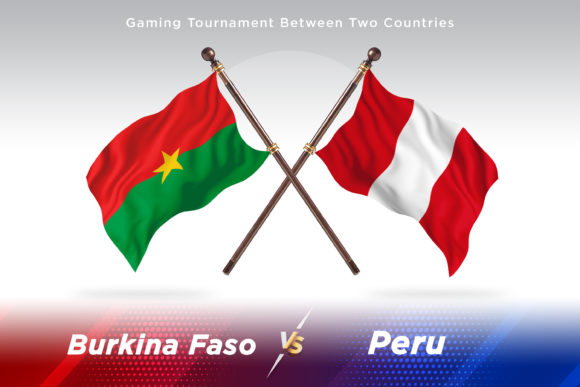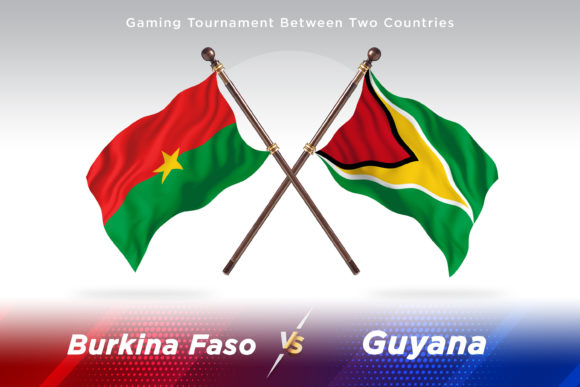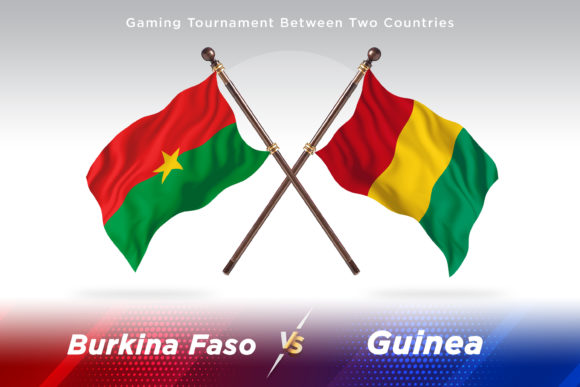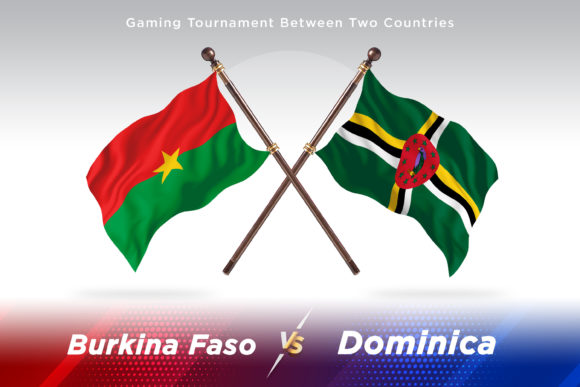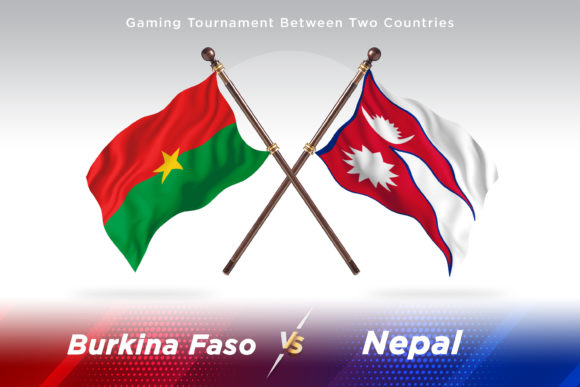
Burkina Faso vs Nepal Flag Design
In the world of graphic design and digital illustration, the power of symbolism is often underestimated. We frequently look to major global powers for our visual references, but some of the most compelling design challenges arise from comparing nations with distinct histories, unique heraldry, and contrasting aesthetic profiles. This is precisely where the Burkina Faso Versus Nepal Two Flags concept illustration comes into play. It is not merely a side-by-side comparison; it is a study in contrast, color theory, and geometric diversity that offers rich opportunities for creators looking to expand their portfolio or engage diverse audiences.
The specific asset bundle described—featuring 3D waving flags on isolated backgrounds, organized layers, and high-resolution outputs—provides a professional-grade foundation for these creative explorations. Whether you are a marketer designing a travel campaign, an educator preparing materials for a geography lesson, or a designer experimenting with smart object workflows, understanding how to leverage these specific national symbols can elevate your work from generic to distinctive.
Understanding the Visual Contrast
To appreciate the utility of this illustration, one must first understand what makes Burkina Faso and Nepal visually and symbolically distinct. Most international flags are rectangular, adhering to a standard format that allows for easy stacking and comparison. However, Nepal stands alone as the only non-quadrilateral national flag in the world. Its shape consists of two stacked triangles, representing the Himalayan mountains and the enduring peace of the nation. In stark contrast, the flag of Burkina Faso is a classic horizontal bicolor of red and green, divided by a yellow diagonal band, topped with a yellow five-pointed star.
When these two are placed together in a "versus" or comparative layout, the immediate visual tension is striking. The sharp, angular geometry of the Nepalese flag clashes beautifully with the balanced symmetry of the Burkinabè flag. For designers, this creates a dynamic composition that naturally draws the eye. The warm tones of the reds and yellows in both flags create a cohesive color palette, yet their arrangement tells different stories—one of mountainous resilience and one of revolutionary energy.
Practical Applications for Creators
The versatility of having these flags in a well-organized PSD file (4500 x 3000 px) opens up numerous practical applications. Here is how different professionals can utilize this resource effectively.
Marketing and Advertising
For marketers, especially those in the travel, tourism, or cultural exchange sectors, this illustration serves as a powerful hook. A travel agency promoting adventure tourism might use the juxtaposition of these two flags to highlight destinations that offer vastly different experiences within the same price bracket or season. The 3D waving effect adds a sense of movement and vitality, making static ads feel more alive. By using the smart objects feature, you can quickly swap out other countries if needed, allowing for A/B testing of different destination pairs without starting from scratch.
Educational Content and Blogging
Educators and bloggers often struggle to find high-quality, royalty-free imagery that is both accurate and aesthetically pleasing. Standard clip art often looks dated or low-resolution. This bundle provides crisp, vector-quality assets that can be scaled without loss of detail. You can use the isolated layers to create interactive blog posts or downloadable worksheets. For instance, you could isolate the star from Burkina Faso’s flag to discuss African history, while isolating the double-pennon shape of Nepal’s flag to discuss Asian geography. The ability to edit via smart objects means you can add text overlays, shadows, or lighting effects directly in Photoshop to match your brand’s style guide.
Social Media Engagement
Social media algorithms favor content that sparks curiosity. A post titled "Which Flag Has More Symbolism: Burkina Faso or Nepal?" accompanied by this high-resolution illustration can drive significant engagement. The clean, isolated background ensures that the image pops on mobile screens, where most users will view it. You can create a series of posts, each focusing on a different element—the colors, the shapes, the historical context—using the layered files to extract specific details for close-up visuals.
Leveraging Technical Features for Efficiency
The technical specifications of this asset bundle are designed to streamline your workflow. Understanding these features is crucial for getting the most value out of the purchase.
- Smart Objects: This is perhaps the most valuable feature. Instead of manually recreating flags or dealing with complex clipping masks, you can simply double-click the smart object layer to replace the flag image. This is ideal for creating templates where you might want to test multiple country combinations later.
- Layer Organization: Well-organized layers mean you don’t have to hunt through hundreds of hidden elements. Each flag is on its own layer, named properly. This reduces cognitive load and speeds up the editing process significantly.
- High Resolution (4500 x 3000 px): This resolution is sufficient for large-format printing, such as banners, posters, or trade show displays, as well as high-DPI web graphics. It ensures that your designs remain sharp even when scaled up.
- Multiple Formats: Having the output in PSD, JPEG, and PNG formats covers all bases. Use PSD for further editing, JPEG for web optimization, and PNG for transparent backgrounds when you need to composite the flags over other images.
Expanding the Concept Beyond Two Countries
While the focus here is on Burkina Faso and Nepal, the underlying principle of "flag versus flag" is a scalable concept. The prompt mentions that if you need other flags not present in the bundle, you can ask the creator. This suggests that the methodology used here—3D rendering, isolation, proper naming—is consistent across other national flags. This consistency allows you to build a comprehensive library of flag comparisons.
Consider expanding your projects to include thematic pairings. For example, compare flags of landlocked countries, flags with similar color schemes, or flags from continents that rarely get compared in mainstream media. The Burkina Faso vs. Nepal example is just the beginning. By mastering the technique with these two distinct flags, you can apply the same design logic to any pair, creating a series of educational or promotional content that feels fresh and informative.
Best Practices for Implementation
To ensure your final design is effective, keep a few best practices in mind. First, maintain visual balance. Since the Nepalese flag is asymmetrical and the Burkinabè flag is symmetrical, centering them perfectly might require slight adjustments to their positions to ensure they appear equal in weight. Second, pay attention to the lighting in the 3D wave effect. Ensure that the light source is consistent across both flags if they are part of the same scene, or deliberately vary it to create mood. Finally, always respect the integrity of the flag designs. While you can stylize the presentation, avoid distorting the proportions or altering the official colors, as this can lead to inaccuracies that undermine your credibility.
Ultimately, the Burkina Faso Versus Nepal Two Flags illustration is more than just a stock image. It is a tool for storytelling, education, and creative expression. By leveraging its technical strengths and understanding the symbolic weight of its subjects, you can create content that resonates with audiences worldwide. Whether you are designing for a niche audience or a broad market, the clarity and professionalism of this asset will help your message stand out in a crowded digital landscape.